
How Can Our Surgery Team Help You?
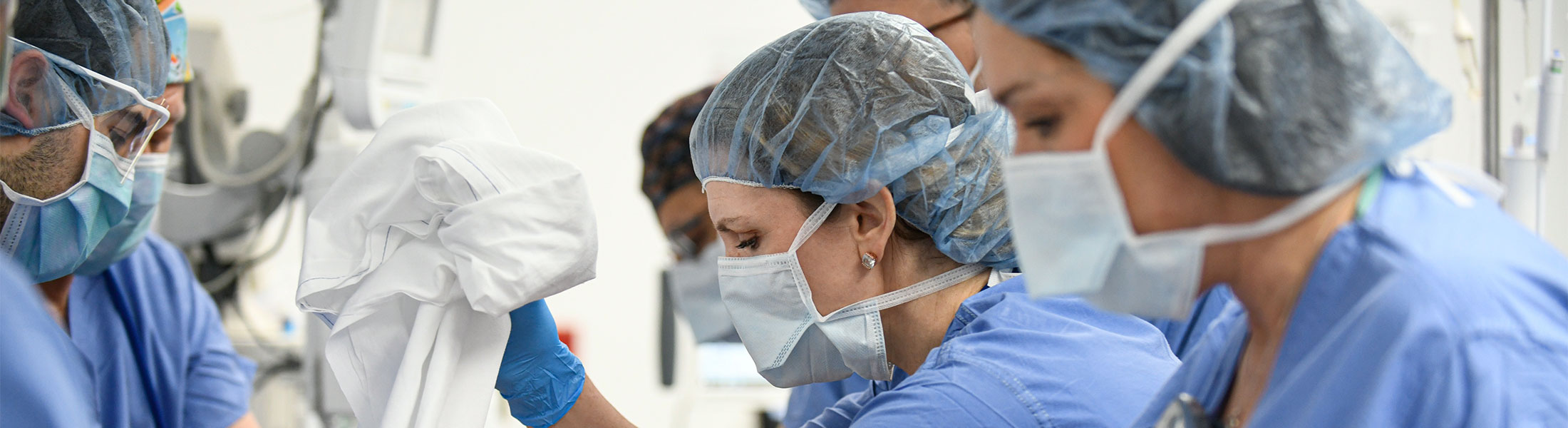
Surgery can play a critical role in diagnosing, treating and managing a wide range of health conditions—from routine procedures to highly specialized care. Kaleida Health offers safe, effective surgical options tailored to your needs.
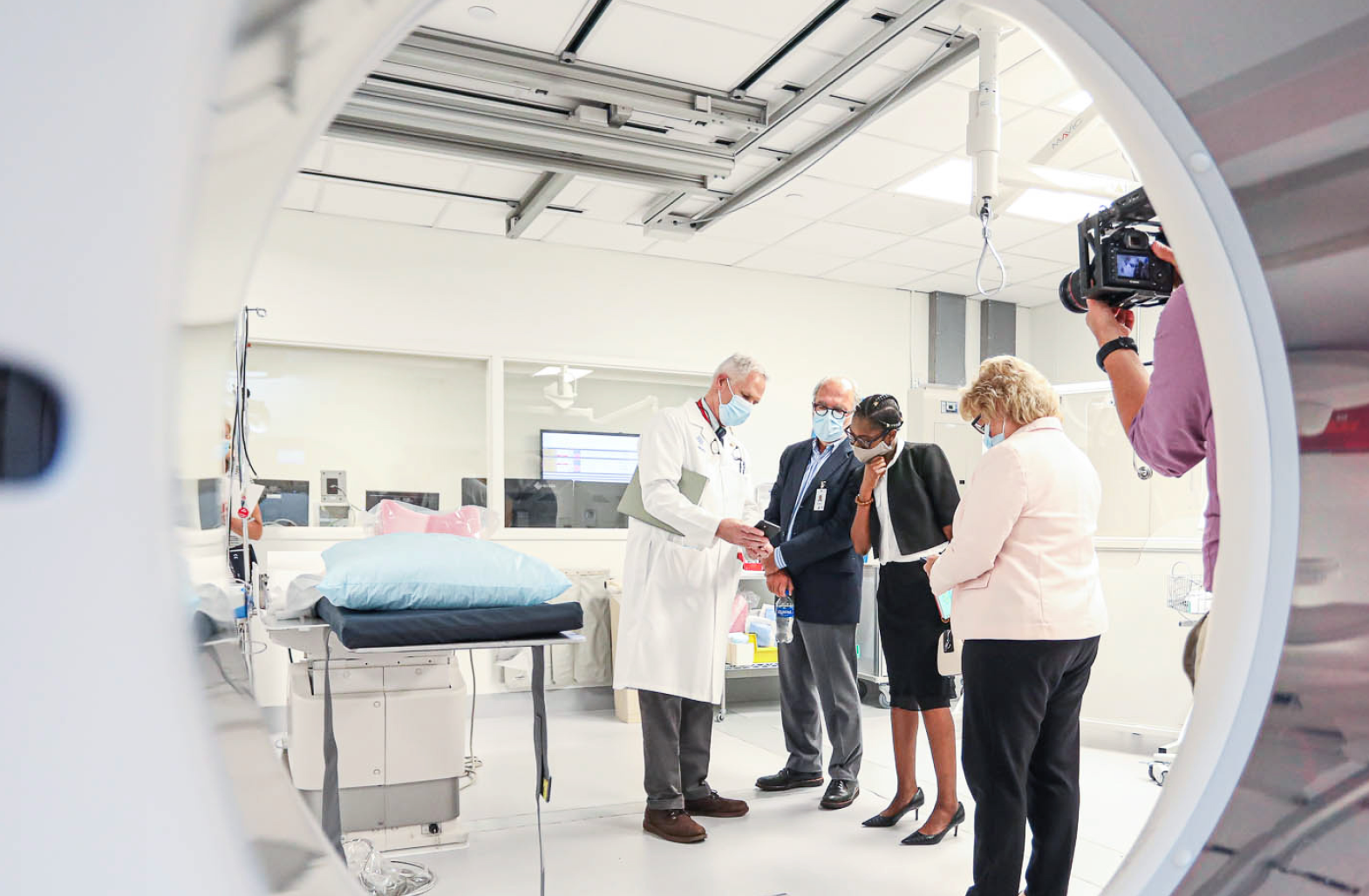
Our extensive network of hospitals, outpatient surgery centers and specialists serve patients throughout Western New York, providing convenient access to surgical consultations, advanced procedures and coordinated recovery care. When appropriate, patients benefit from minimally invasive and robotic techniques that may reduce pain, shorten hospital stays and support faster healing.
Already receiving care at Kaleida Health? The MyChart patient portal gives you easy access to your surgical information, appointments, and care team—helping you stay informed and confident throughout your journey.
THE CARE WE PROVIDE
Surgical Specialties

General Surgery
Surgical treatment for common and complex conditions affecting the abdomen, digestive tract, soft tissues and endocrine system.
Cardiac Surgery
Surgical care for heart conditions, including coronary artery disease, heart valve disorders and other complex cardiovascular diseases.
Robotic Surgery
Minimally invasive procedures with robotic-assisted technology for precision and recovery.
Outpatient and Ambulatory Surgery
Same-day procedures that let patients return home without an overnight stay.
Breast Surgery
Care for breast cancer and benign conditions within a multidisciplinary breast health team.
Bariatric Surgery
Weight-loss surgery that supports long-term health and manages obesity-related conditions.
Minimally Invasive Gynecologic Surgery
Advanced options for gynecologic conditions using minimally invasive techniques.
Colorectal Surgery
Treatment for diseases of the colon, rectum and anus, including cancer and IBD.
Vascular Surgery
Care for blood vessel conditions to improve circulation and reduce complications.
Gastrointestinal Surgery
Treatment for the stomach, intestines, liver, pancreas and esophagus.
Neurosurgery
Specialized care for the brain, spine and nervous system.
Orthopedic and Spine Surgery
Solutions for joint, bone, muscle and spine conditions, including joint replacement.
Urology
Care for the urinary tract and male reproductive system, including cancer and kidney stones.
Podiatry
Surgical treatment for foot and ankle conditions to relieve pain and restore mobility.
Hernia Surgery
Repair of all types of hernias, often with minimally invasive techniques.
Pediatric Surgery
A broad range of surgical services for children at Golisano Children’s Hospital of Buffalo.

Why Choose Surgical Care at Kaleida Health?
At Kaleida Health, surgical care is centered on you—your safety, comfort and long-term health.
- Our hospitals and surgical centers offer advanced operating rooms and leading-edge technology, including minimally invasive and robotic surgical systems.
- Kaleida Health surgeons are highly experienced specialists who perform a wide range of procedures, from routine surgeries to complex cases.
- Patients benefit from a seamless continuum of care, from pre-surgical evaluation and education through surgery, recovery and follow-up—all coordinated by dedicated care teams.
Frequently Asked Questions About Surgery at Kaleida Health
Kaleida Health offers a full range of surgical services, from common outpatient procedures to highly complex surgeries. Our specialties include general surgery, cardiac and vascular surgery, robotic and minimally invasive surgery, orthopedic and spine surgery, neurosurgery, bariatrics, breast surgery, urology, gynecology and many more—all delivered by experienced surgical teams.
Some insurance plans require a referral, while others do not. We recommend checking with your insurance provider or contacting the surgeon’s office directly to understand what is needed before your appointment.
Yes. Many Kaleida Health surgeons use minimally invasive and robotic-assisted techniques when appropriate. These approaches often involve smaller incisions and may result in less pain, shorter hospital stays and quicker recovery times.
That depends on the type of procedure and your individual health needs. Many surgeries are performed on an outpatient or same-day basis, allowing patients to return home the same day. More complex procedures may require a hospital stay for monitoring and recovery.
Your care team will provide clear instructions before your procedure, including guidance on medications, eating and drinking and what to expect on the day of surgery. Pre-surgical testing or consultations may be scheduled to help ensure your safety.
On the day of your procedure, you’ll check in at the hospital or surgery center, meet with your surgical and anesthesia teams, and have time to ask questions. After surgery, you’ll recover in a monitored area before going home or being admitted, depending on your care plan.
Patient Resources
Breast Surgery
Colorectal Surgery
Total Knee Replacement
Total Shoulder Replacement
Total Hip Replacement
Pre-admission testing
Patients are scheduled for pre-admission testing approximately one week prior to surgery and receive a physical examination and any necessary tests like blood work, urinalysis, chest X-ray or an EKG. A complete medical history will also be taken at this time. The anesthesia department will then review test results to help determine the patient's state of health.
Below is a helpful checklist to ensure the pre-admission appointment is an effective and productive one for everyone involved:
- Write down questions or concerns and bring them in for discussion.
- Bring your health insurance information.
- Bring a list of current medications, including over the counter and herbal products.
- Review current medications with the nurse to learn which medications you should and should not take prior to surgery.
- If you are under age 18, a parent or legal guarding must accompany you.
- Be prepared to spend about 90 minutes for your pre-admission visit.
- Surgery times are subject to change. Please provide an alternate telephone number where you can be reached should your scheduled surgery time change.
Prior to surgery
Eat a normal evening meal the day before your surgery, unless directed otherwise, but do not eat or drink anything after midnight – including gum or mints.
Do not smoke the evening prior to or the morning of your surgery. Smoking causes bronchial irritation and may increase the likelihood of breathing problems during and after anesthesia.
Do not drink alcohol for at least two days prior to surgery.
Notify your surgeon immediately if you suspect you might be pregnant. Anesthesia and medications may be harmful to a developing fetus.
Report any changes in your health to your surgeon, even minor changes such as a persistent cough, cold or fever.
Medication
- Routine heart, breathing or blood pressure medications should be taken as prescribed with a small sip of water on the day of your surgery. Inform your nurse about the medications you have taken. Medications such as insulin and inhalers should be brought with you.
- Avoid the use of aspirin or Motrin/ibuprofen products at least 10 days prior to surgery. If you take aspirin or Coumadin daily, you must talk to your physician before discontinuing the medication.
- Notify your physician if you are taking diet suppressant medication and follow the directions you are given.
Personal hygiene, clothing & valuables
- Bathe or shower the morning of surgery.
- Remove all make-up, nail polish, contact lenses and jewelry.
- Do not wear lotions, hair sprays, hair gels or perfume. Remove all body piercings.
- Wear loose-fitting, casual clothing and comfortable shoes.
- Leave valuables at home for safekeeping.
It is normal to feel anxious before surgery. Keep in mind that our surgical teams are experts who have performed surgical procedures many times. Feel free to ask any questions, and take comfort in knowing that your safe, successful operation is our highest priority.
- Plan to arrive as instructed by the nurse. Arrival times are scheduled generally two hours prior to surgery unless otherwise directed by a physician.
- Bring your insurance card with you.
- Throughout the procedure, your loved ones are kept up to date on your status and whereabouts.
- After surgery, patients are taken to the surgical care unit close by for monitoring while awakening from anesthesia. From there, our surgeons will personally provide updates to family and loved ones. For patients staying overnight, transportation to a nursing unit occurs after phase II recovery. Once the patient is admitted to a room, loved ones can visit and recovery can begin.
- For patients undergoing outpatient surgery, driving themselves home is not permitted after surgery if any type of sedation is administered. Please make sure that someone will drive you home after surgery.
- It is also recommended that someone remain with you at your home overnight because the effects of anesthesia may last up to 24 hours.
You must meet certain criteria before you can go home:
- Your blood pressure and pulse are stable.
- You are able to drink fluids.
- You are able to urinate independently.
- You are NOT experiencing any nausea or vomiting.
- Your incision is not draining or swollen.
- You are reasonably comfortable and do not have excessive pain.
- You are able to move around without too much assistance.
Surgery can be very stressful on the body, so rest is extremely important to recovery:
- Eat lightly for the first 24 hours after the procedure.
- Feeling tired, dizzy or nauseous for a day or so following surgery is normal.
- You may experience some discomfort at the procedure site.
Contact your doctor if:
- You have a fever over 101° F.
- Your incision becomes more red, swollen or painful.
- Your incision bleeds a lot or opens.
- You feel too sleepy, dizzy or groggy (your medication may be too strong).
- You still have pain one hour after taking pain medication.
- You have side effects from your medication such as nausea, vomiting, redness, rash or itching.