


Why Choose Kaleida Health for Stroke Care?
When every second matters, Kaleida Health delivers unmatched stroke care with speed, expertise and seamless coordination.
Our Emergency Departments – including Buffalo General Medical Center/Gates Vascular Institute, Millard Fillmore Suburban Hospital and Olean General Hospital – are all New York State Designated and DNV-certified stroke centers, providing the highest level of emergency stroke care.
Gates Vascular Institute goes one step beyond as a certified Comprehensive Stroke Center, reflecting the highest level of competence for treatment of serious stroke events. For years, Kaleida Health’s Gates Vascular Institute (GVI) has treated more strokes than any other hospital in all of New York State and more than double that of any hospital in Western New York, and is known worldwide as a center of excellence and innovation in the treatment of stroke.
Patients have immediate access to fellowship-trained vascular neurologists, neurointerventional surgeons, neurosurgeons and neurointensivists around the clock. This ensures rapid evaluation and treatment for ischemic stroke, hemorrhagic stroke, transient ischemic attack (TIA) and complex cerebrovascular conditions.
- State-of-the-art CT and MRI imaging for fast, accurate stroke diagnosis
- Minimally invasive procedures for clot removal, aneurysm repair and vessel stabilization
- Specialized neurocritical care units providing continuous monitoring for severe strokes
Emergency departments (ED) follow evidence-based stroke response protocols designed to reduce door-to-treatment times. Patients benefit from:
- Clot-busting medications when appropriate
- Immediate mechanical thrombectomy evaluation
- Streamlined transfer to advanced neurointerventional care
Stroke recovery extends beyond the ED. Our integrated, multidisciplinary approach ensures:
- Neurocritical care in specialized NSICU units
- Early physical, occupational and speech therapy
- Comprehensive inpatient and outpatient rehabilitation
- Ongoing neurology follow-up to reduce future risk
Kaleida Health participates in national clinical trials, giving eligible patients access to cutting-edge therapies not widely available elsewhere.
Treating more stroke patients than any other hospital in New York State, Kaleida Health combines deep clinical expertise, refined protocols and a commitment to delivering the highest level of stroke care in the region.
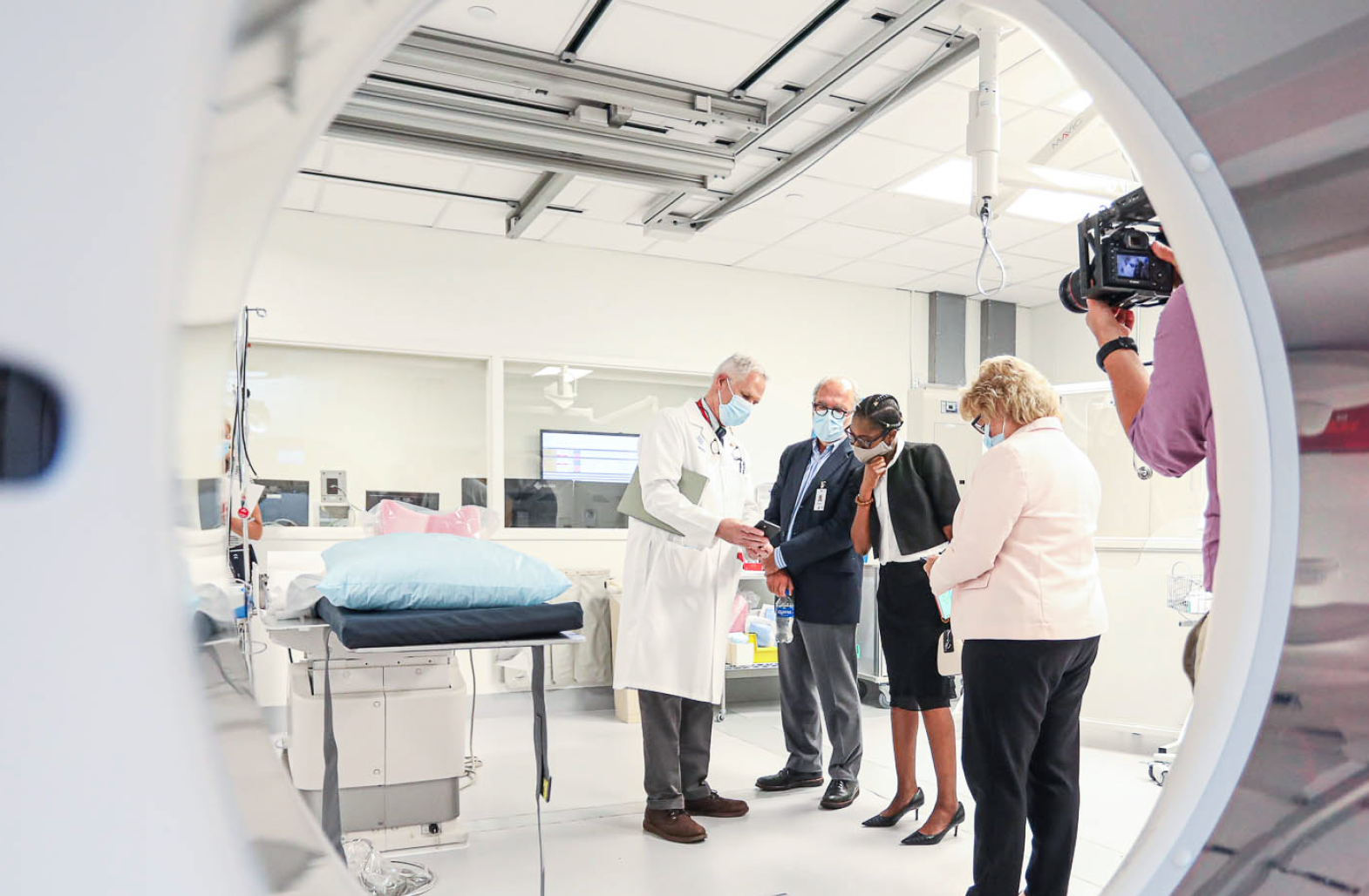
What is a Stroke?
A stroke occurs when blood flow to the brain is blocked or when a blood vessel ruptures. Without oxygen-rich blood, brain cells begin to die within minutes. Immediate treatment can save lives and preserve brain function.
At Kaleida Health, stroke care is delivered by internationally recognized specialists using advanced imaging, minimally invasive procedures and coordinated critical care to improve outcomes.
Getting care from one of our providers? The MyChart patient portal provides you with easy access to stay informed on all your care.
Types of Strokes
Ischemic Stroke – Occurs when a clot blocks blood flow to the brain.
- Thrombus: forms inside a blood vessel
- Embolus: travels from elsewhere in the body
Most ischemic strokes are linked to atherosclerosis, the buildup of fatty deposits in blood vessels.
Hemorrhagic Stroke – Occurs when a weakened vessel ruptures and bleeds into or around the brain. Causes include high blood pressure and aneurysms:
- Intracerebral hemorrhage: Bleeding within brain tissue
- Subarachnoid hemorrhage: Bleeding around the brain, often described as the worst headache of your life
Transient Ischemic Attack (TIA) – Sometimes called a mini-stroke, a TIA temporarily blocks blood flow. Symptoms usually resolve within 24 hours. Immediate evaluation can prevent a future stroke.
CTA: If you or someone you know shows stroke symptoms, call 911 immediately.
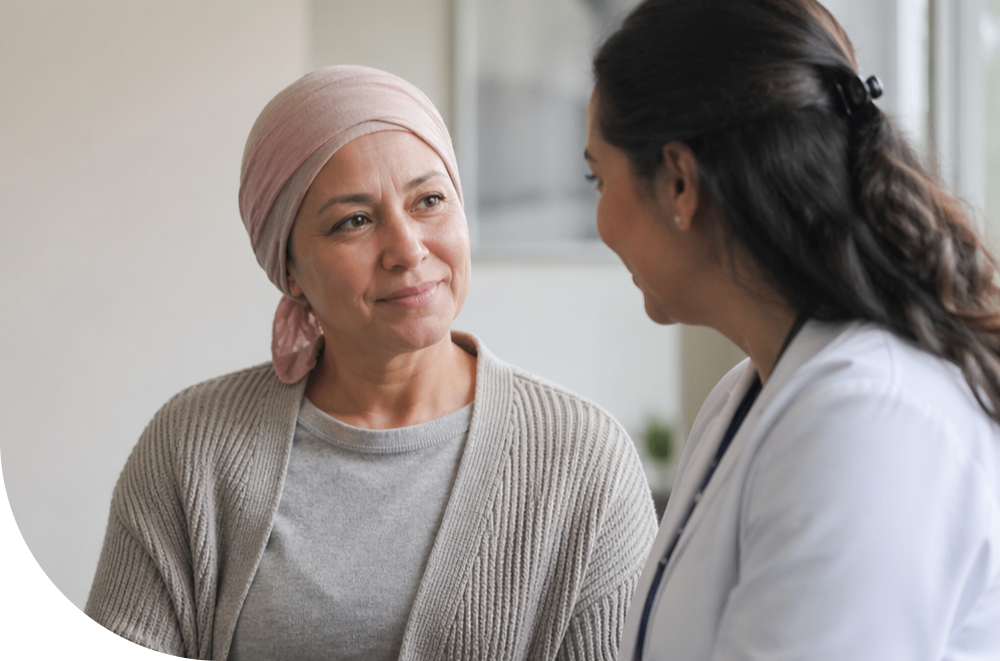
What are Signs and Symptoms of a Stroke?
Call 911 immediately if you notice:
- Sudden weakness, paralysis or numbness of the face, arm or leg
- Trouble speaking or understanding speech
- Sudden loss of vision or dimness, especially in one eye
- Sudden dizziness, unsteadiness or unexplained falls
- Severe headache or loss of consciousness
How Does Stroke Affect the Brain and Body?
The effects of stroke vary based on the type, severity and location in the brain. Brain cells normally communicate to control memory, speech, sensation, movement and thinking. During a stroke, damaged brain cells can no longer function properly, leading to temporary or permanent changes.
The brain has two hemispheres. The left hemisphere typically controls language and learned motor skills. The right hemisphere plays an important role in spatial awareness, attention and behavior. When one side of the brain is injured, the opposite side of the body is affected.
A stroke affecting the right hemisphere may cause:
- Left sided weakness or paralysis
- Changes in emotion, mood swings or impulsive behavior
- Poor judgment or short attention span
- Short term memory problems
- Difficulty performing routine tasks
- Confusion or lack of awareness of deficits
- Speech difficulties related to muscle weakness in the mouth and face
- Changes in thinking and problem-solving abilities
A stroke affecting the left hemisphere may cause:
- Right sided weakness or paralysis
- Slower response times or difficulty initiating movement
- Changes in personality or more cautious, disorganized behavior
- Difficulty speaking, understanding language, reading or writing
- Aphasia, a condition that affects communication
Understanding how stroke affects the brain helps guide treatment and rehabilitation planning.

What is Comprehensive Stroke Treatment?
From the moment you arrive, Kaleida Health provides rapid, expert care:
- Immediate brain imaging to identify stroke type and location
- Time-sensitive clot-dissolving medications when appropriate
- Minimally invasive catheter-based procedures for clot removal
- Neurosurgical interventions when necessary
- Dedicated stroke emergency pod for streamlined treatment
- Stroke intensive care with continuous neurological monitoring
- Multidisciplinary rehabilitation to support recovery
Our world-class team uses advanced technology and protocols in a single location, delivering care unmatched in the region.
The Care We Provide
At Kaleida Health, stroke care is built for speed, precision and outcomes. As the most experienced stroke program in New York State, our nationally recognized teams deliver rapid assessment, advanced treatment and continuous neurocritical support to protect brain function and maximize recovery.
Stroke care begins immediately upon arrival. Dedicated emergency stroke teams perform rapid neurological evaluation and stabilize the airway, breathing and circulation. Advanced CT and MRI imaging quickly identifies stroke type, allowing treatment to begin without delay.
Our streamlined protocols are designed to minimize time to treatment, because faster care means better outcomes.
For certain kinds of stroke, medication may be used to restore blood flow and reduce further brain injury.
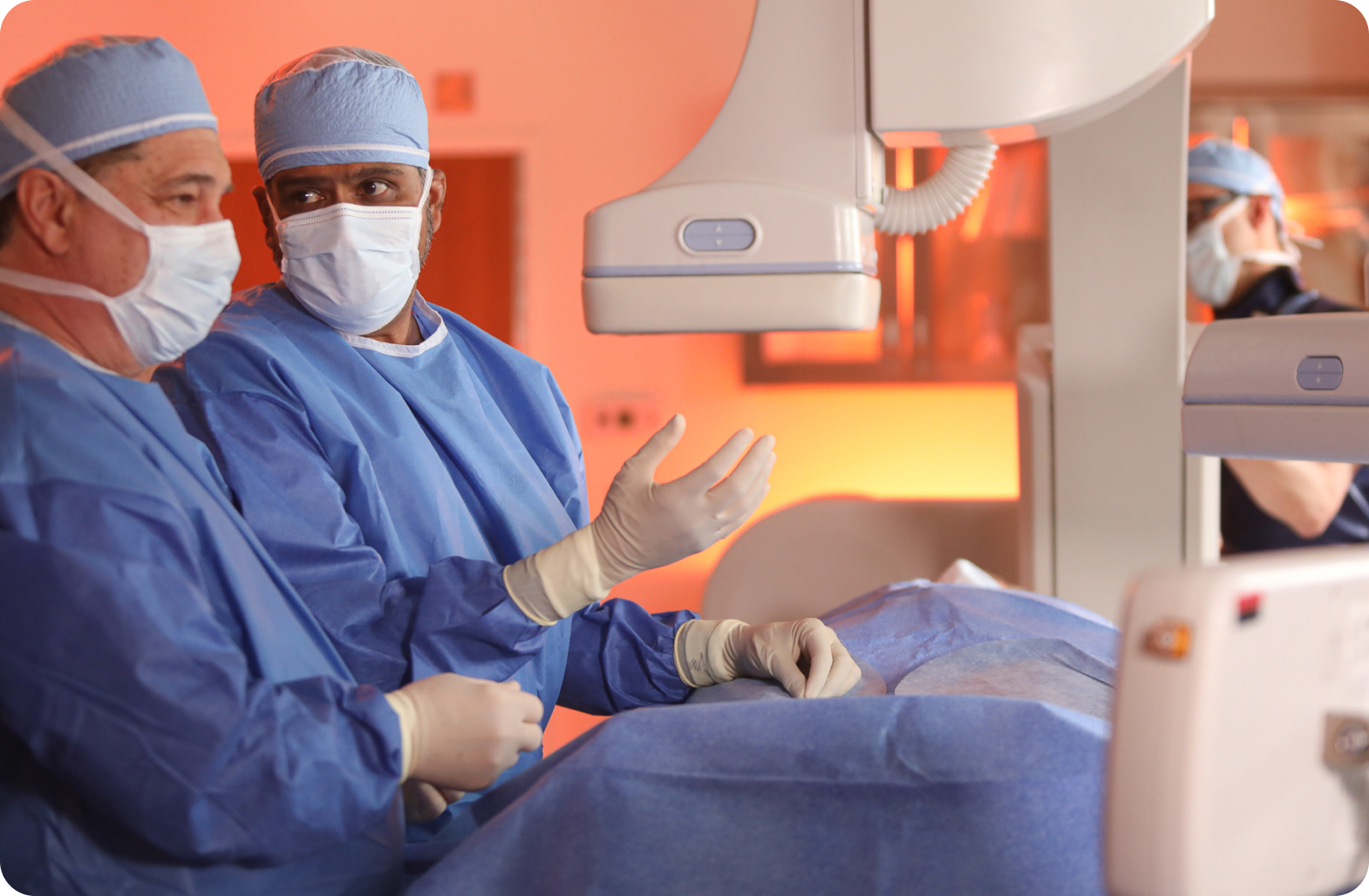
Our neurointerventional specialists use image guided, minimally invasive techniques to treat complex strokes and cerebrovascular conditions.
- Mechanical clot retrieval using advanced catheter-ased systems
- Stenting and angioplasty to restore blood flow in narrowed vessels
- Aneurysm coiling and stent-assisted coiling to prevent rupture
These minimally invasive techniques can improve outcomes while reducing recovery time.
For some patients, surgical intervention may be necessary to relieve pressure, restore blood flow or repair damaged vessels.
Procedures may include:
- Carotid endarterectomy
- Craniotomy or decompressive craniectomy
- Aneurysm clipping
Our neurosurgeons work closely with stroke neurologists and critical care teams to determine the safest approach.
Specialized stroke and neuroscience intensive care units provide continuous monitoring during the most critical hours and days after a stroke. Neurointensivists and critical care nurses monitor brain function, manage blood pressure and respond immediately to complications.
Recovery continues beyond emergency treatment. Multidisciplinary rehabilitation begins as early as possible and may include:
- Physical therapy to rebuild strength and balance
- Occupational therapy to improve daily living skills
- Speech and language therapy to restore communication and swallowing
Our coordinated approach supports long term independence and improved quality of life.
Meet Your Care Team
Our multidisciplinary, world-renowned team ensures every patient receives coordinated care from emergency treatment through rehabilitation.
The Journey Home: Regaining Independence
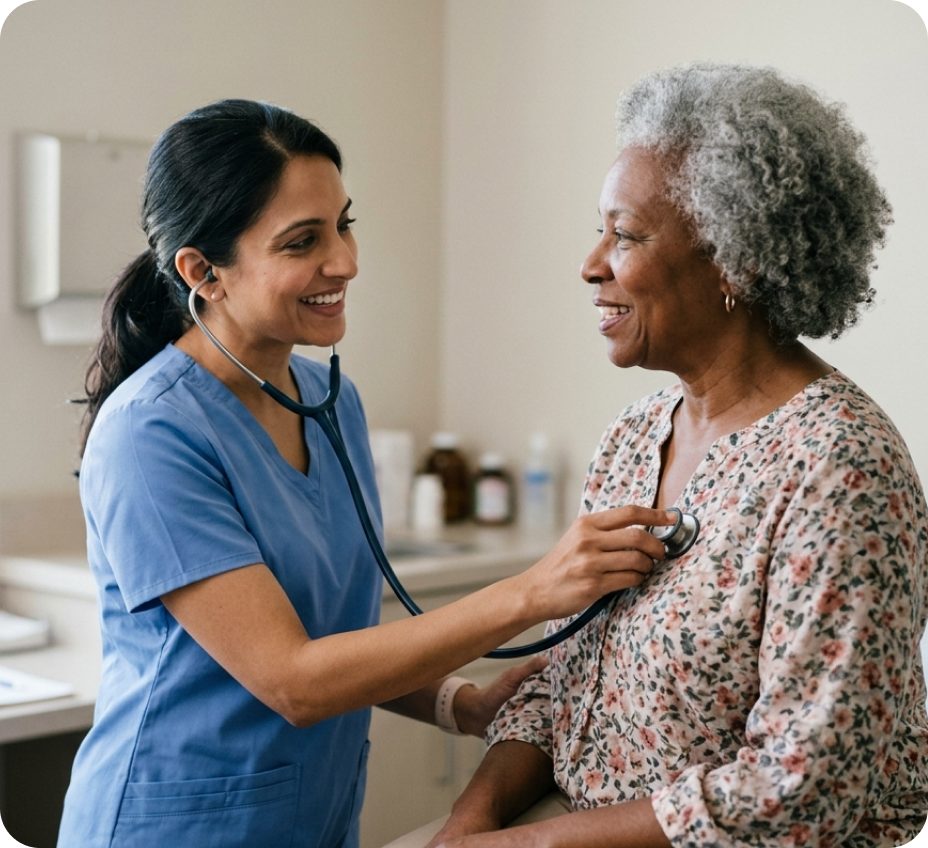
Recovery and Rehabilitation
Once a stroke patient is medically stable, rehabilitation begins. At Kaleida Health, a specialized team supports recovery. Our therapists are highly trained in stroke and neurological care, providing personalized rehabilitation to help each patient regain strength, mobility, communication and independence.
Discharge Planning:
- Patient Care Coordinators help arrange subacute or at-home rehabilitation
- Decisions consider brain injury severity, patient motivation, family support and other medical conditions
The patient care coordinator helps patients and families understand their options and facilitates a smooth transition to the next phase of recovery.

What the Team Focuses On
Rehabilitation begins once a stroke patient is medically stable. The goal of the rehabilitation team is to support recovery, maximize independence and reduce disability.
Stroke rehabilitation addresses multiple areas of daily life, working closely with patients and caregivers:
- Mobility – Activities such as moving in bed, rising from a chair or sitting on a toilet
- Locomotion – Walking, using a wheelchair or climbing stairs safely
- Self-care – Skills like grooming, dressing and cooking
- Communication – Speech, word finding and other language challenges
- Swallowing – Safe eating and drinking techniques to prevent aspiration
- Cognition – Mental functions, organization, memory and problem-solving
- Bowel and bladder control – Regaining independence in toileting and continence
Each patient’s rehabilitation plan is tailored to their abilities and goals, with therapists and caregivers providing guidance and support throughout the recovery process.

Levels of Stroke Rehabilitation
Stroke recovery can take weeks, months or longer, and progress varies based on the location and severity of the stroke. While full recovery is not always possible, rehabilitation can significantly improve the quality of life and independence.
Acute Rehabilitation
Performed in a short-stay rehabilitation facility, acute rehabilitation is available at Buffalo General Medical Center and focuses on intensive therapy to maximize recovery.
- Therapy five or more days per week
- Three or more hours of therapy each day
- Requires the ability to tolerate intensive treatment

Subacute Rehabilitation
Subacute rehabilitation is for patients who need several weeks of extended therapy in a specialized facility at locations like HighPointe on Michigan, DeGraff Rehabilitation and Skilled Nursing Facility, and Olean General Hospital.
Outpatient Rehabilitation
Patients who can return home may receive outpatient therapy 2–3 times per week at a clinic, providing greater flexibility while continuing their recovery. Locations include Olean General Hospital Outpatient Rehabilitation, Bradford Regional Medical Center SMART Rehab and Robert Warner Center for Developmental Pediatrics and Rehabilitation – Golisano Children’s Hospital of Buffalo Outpatient Center.
Home Rehabilitation
For patients recovering at home, therapists from Visiting Nursing Association of Western New York make 2–3 weekly visits to provide personalized therapy in a familiar and comfortable setting.
Emotional and Behavioral Changes After a Stroke
- Emotional lability: sudden laughing or crying unrelated to mood.
- Depression, anger, frustration or grief are common after loss of independence.
- Family members often experience grief over the changes in relationships.
Clinical Trials in Stroke
What is a Clinical Trial?
Clinical trials are research studies designed to test new methods of diagnosing, treating or preventing stroke. They follow strict protocols to evaluate safety and effectiveness.
Participation:
- Eligibility is determined by specific inclusion and exclusion criteria.
- Informed consent ensures participants understand the potential risks, benefits and procedures involved.
Benefits:
- Access to new and innovative therapies
- Active involvement in your own healthcare
- Contribution to research that may help others in the future
Risks:
- Potential side effects from treatments
- Therapies may not be effective for every participant
- Additional visits, monitoring or tests may be required
Learn More:
- Kaleida/UBNS Trials: ubns.com, thejni.com
- National Trials: clinicaltrials.gov, centerwatch.com
Where You Can Receive Stroke Care
Gates Vascular Institute
Millard Fillmore Suburban Hospital
Olean General Hospital
Frequently Asked Questions
If you notice sudden weakness, speech difficulty, confusion, vision loss, severe headache or balance problems, seek emergency care immediately. Do not wait to see if symptoms improve.
Many strokes can be prevented by managing blood pressure, cholesterol, diabetes, heart conditions and lifestyle risk factors such as smoking and inactivity.
Recovery varies for each person. Early treatment and consistent rehabilitation greatly increase the likelihood of regaining independence and improving quality of life.
If you have heart disease risk factors, ongoing symptoms or are recovering from heart or lung procedures, rehab can improve your strength and quality of life.
Resources
The Sharegivers Visitor Program is a collaboration between the American Heart Association/American Stroke Association, University at Buffalo, Buffalo State College Speech Language and Hearing Clinics and Gates Vascular Institute to provide education and support for new stroke patients and their caregivers.
How It Works
Peer visitors are trained stroke survivors and caregivers who share personal experiences, offer guidance and provide encouragement. Visits focus on:
- Emotional support and motivation
- Education about stroke and recovery strategies
- Resources and guidance for patients and caregivers
StrokeSurvivorSupportGroup@KaleidaHealth.org
This program helps patients and families build confidence, foster hope and connect with others who understand their journey.
Life after a stroke can be challenging, but you do not have to face it alone. We are a compassionate community of stroke survivors, caregivers and advocates dedicated to supporting each other on the road to recovery. Our mission is to provide a safe and inspiring space where stroke survivors can connect, share stories and celebrate milestones. Whether you are just beginning your recovery or have years of experience navigating life after a stroke, you belong here.
What We Offer
- Supportive Meetings: Third Wednesday of every month at Buffalo General Medical Center.
- Educational Resources: Expert-led workshops on recovery, wellness and lifestyle adjustments.
- Caregiver Support: Guidance and encouragement for those who provide essential care and companionship.
2026 Meeting Dates: April 15, May 20, June 17, July 15, August 19, September 16, October 21, November 18
Recovery extends beyond physical healing. This group supports emotional health, builds confidence and inspires hope. Members gain practical tools, meaningful connections and encouragement to navigate life after a stroke.
Get Involved
Join a Meeting: [Register Here]
Support the Program: [Donate Here]
Recovery is a major, life-changing process. While progress can be slow and sometimes unpredictable, understanding the brain’s ability to compensate and adapt is encouraging. Some areas may recover over time, and others may be taken over by different brain regions, leading to remarkable improvements.
Tips for Patients
- Take things one day at a time.
- Celebrate progress, no matter how small.
- Care for your emotional health; persistent sadness should be discussed with a physician.
- Share feelings with caregivers, family and friends.
- Accept that some activities may need to be relearned or modified.
- Create a daily schedule with rest periods.
- Engage in enjoyable activities.
- Get dressed and maintain routines daily.
- Sleep well and consult healthcare providers before traveling.
Tips for Caregivers
- Prioritize your own well-being.
- Keep a positive attitude and accept what cannot be controlled.
- Eat well and rest adequately.
- Seek help from friends, family or support groups.
- Be prepared for mood and behavior changes in the stroke survivor.
- Ask questions during medical appointments to stay informed.
Support, understanding and structured guidance can make the recovery journey more manageable for both patients and caregivers.
Proper nutrition is a key part of stroke recovery. A well-planned diet helps control blood pressure, reduce cholesterol, support a healthy weight and provide essential nutrients for overall health.
A stroke recovery diet emphasizes:
- Low sodium intake, plenty of fruits, vegetables, whole grains and low-fat dairy
- Heart-healthy fats; limit high-fat foods and refined carbs
- Modified textures if swallowing is difficult
Consult your physician or dietitian to determine your target weight and exercise recommendations, especially if you are unintentionally losing weight.
Limit sodium; avoid foods with more than 300 mg per serving unless approved by your physician
- Do not add salt at the table; use minimal salt in cooking
- Choose low-sodium options at restaurants
- Eat potassium-rich fruits (bananas, apricots, oranges, cantaloupe, apples) and vegetables (potatoes, sweet potatoes, spinach, zucchini, tomatoes)
- Include fat-free or low-fat dairy for calcium and potassium
- Limit alcohol: women no more than one drink/day, men no more than two drinks/day
- Minimize saturated fats (fatty meats, whole milk, butter, tropical oils)
- Avoid trans fats (hydrogenated oils, fried foods, crackers, chips, shortening)
- Use unsaturated fats (soybean, canola, olive, sunflower oils)
- Limit cholesterol to 200 mg/day (egg yolks, fatty meats, shrimp, some dairy)
- Eat 20–30 grams of fiber daily from fruits, vegetables, whole grains and soluble fiber sources like oatmeal, beans and peas
- Drink plenty of water to help process fiber
- Include cold-water fatty fish (salmon, tuna, mackerel, sardines) twice per week for omega-3 fats
- Add plant sources of omega-3 fats such as flaxseed or walnuts
Note: Foods should generally have less than 300 mg of sodium per serving and minimal saturated or trans fats. If swallowing is difficult, consult a physician or dietitian for appropriate food textures and substitutions.
After a stroke, some patients may have difficulty swallowing. A physician will determine whether a modified texture diet is needed to prevent food from entering the airway.
Find additional support and resources here:
- Post-stroke resources: Stroke Onward | Buffalo
- Speech therapy: Speech Therapy for Adults | Buffalo NY | Stroke Rehab
- American Stroke Association: Help and Support
- Post-stroke services – Canada: After Stroke | March of Dimes Canada
- Stroke Support Association: Community Resources for Survivors of Stroke
- American Stroke Association
- American Academy of Physical Medicine and Rehabilitation
American Academy of Physical Medicine and Rehabilitation
9700 W. Bryn Mawr Ave., Suite 200, Rosemont, IL 60018
Phone: (847) 737-6000
Website: www.aapmr.org
American Heart Association
7272 Greenville Ave., Dallas, TX 75231
Phone: 1-800-AHA-USA1 (1-800-242-8721)
Website: www.heart.org
American Occupational Therapy Association
4720 Montgomery Lane, P.O. Box 31220, Bethesda, MD 20824
Phone: (301) 652-2682
Website: www.aota.org
American Physical Therapy Association
1111 N. Fairfax St., Alexandria, VA 22314
Phone: 1-800-999-2782
Website: www.apta.org
American Speech-Language-Hearing Association
2200 Research Blvd., Rockville, MD 20850
Phone: 1-800-638-8255
Website: www.asha.org
American Stroke Association
7272 Greenville Ave., Dallas, TX 75231
Phone: 1-888-4-STROKE (1-888-478-7653)
Website: www.stroke.org
Brain Aneurysm Foundation
269 Hanover St., Building 3, Hanover, MA 02339
Phone: 1-888-BRAIN02 (1-888-272-4602)
Website: www.bafound.org
National Aphasia Association
350 Seventh Avenue, Suite 902, New York, NY 10001
Phone: 1-800-922-4622
Website: www.aphasia.org
National Institute of Neurological Disorders and Stroke
P.O. Box 5801, Bethesda, MD 20821
Phone: 1-800-352-9424
Website: www.ninds.nih.gov
National Stroke Association
9707 E. Easter Lane, Suite B, Centennial, CO 80112
Phone: 1-800-STROKES (1-800-787-6537)
Website: www.stroke.org