
Before Your Surgery
Preparing ahead of time helps your surgery and recovery go more smoothly.

Follow Pre-Op Instructions Carefully.
You will receive instructions that may include:
- When to stop eating or drinking (often after midnight)
- Which medications to take or pause
- When to arrive at the surgery center
- What to bring with you
If anything is unclear, call your surgeon’s office or the surgery center — we’re happy to help.
Plan for a Ride Home
Because you will likely receive anesthesia or sedation, you cannot drive yourself home. Arrange for a responsible adult to drive you home and stay with you for at least the first 24 hours after surgery.

Prepare Your Home for Recovery
Before surgery day, consider:
- Picking up prescriptions in advance
- Preparing easy meals
- Setting up a comfortable resting area
- Having ice packs, water and essentials within reach
A little planning now makes recovery easier later.
What to Expect the Day of Surgery
When You Arrive
You’ll check in and complete any final paperwork. A nurse will:
- Review your medical history
- Check your vital signs
- Start an IV if needed
- Answer last-minute questions
You will also meet your anesthesia provider and surgical team.
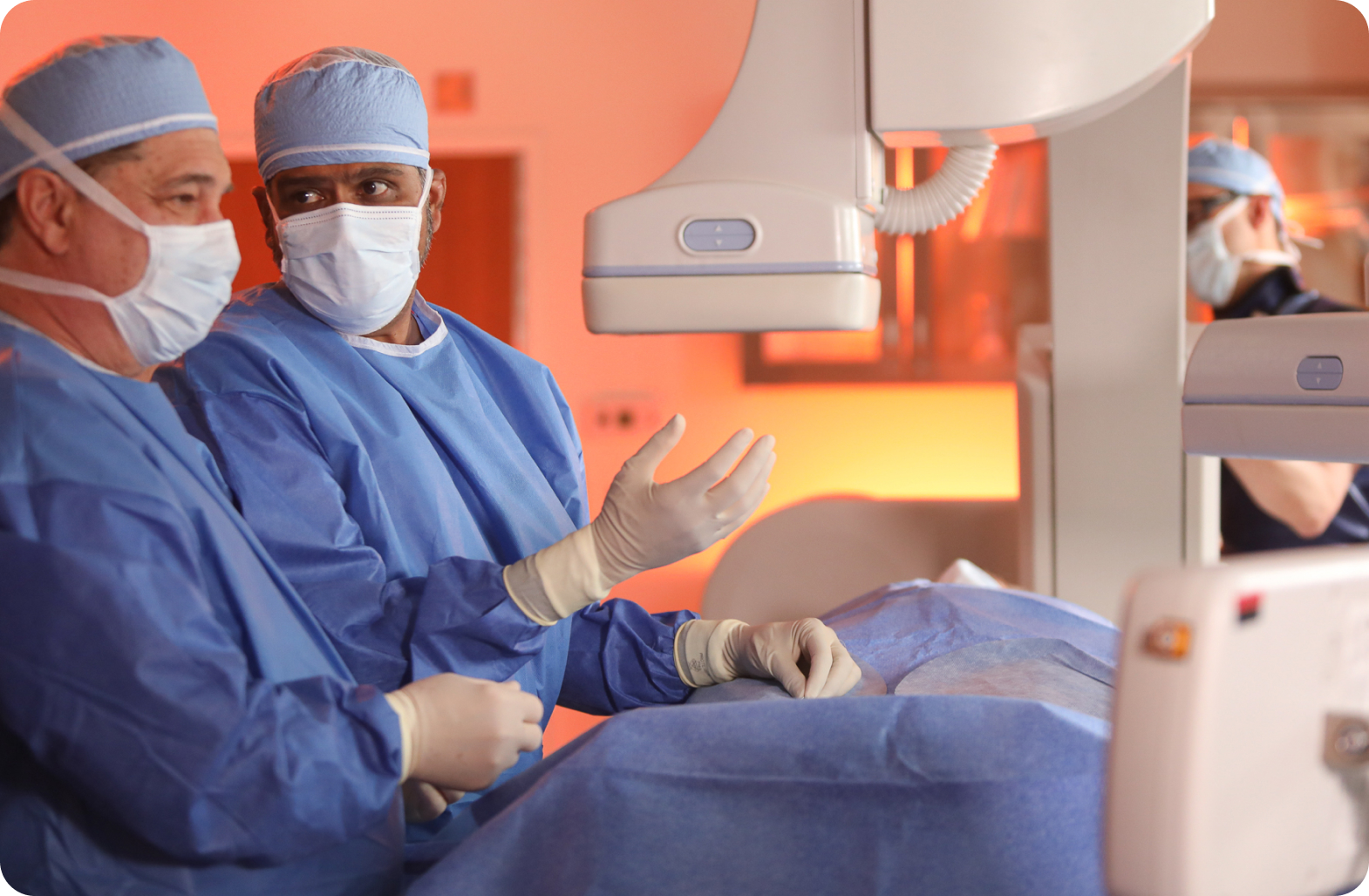
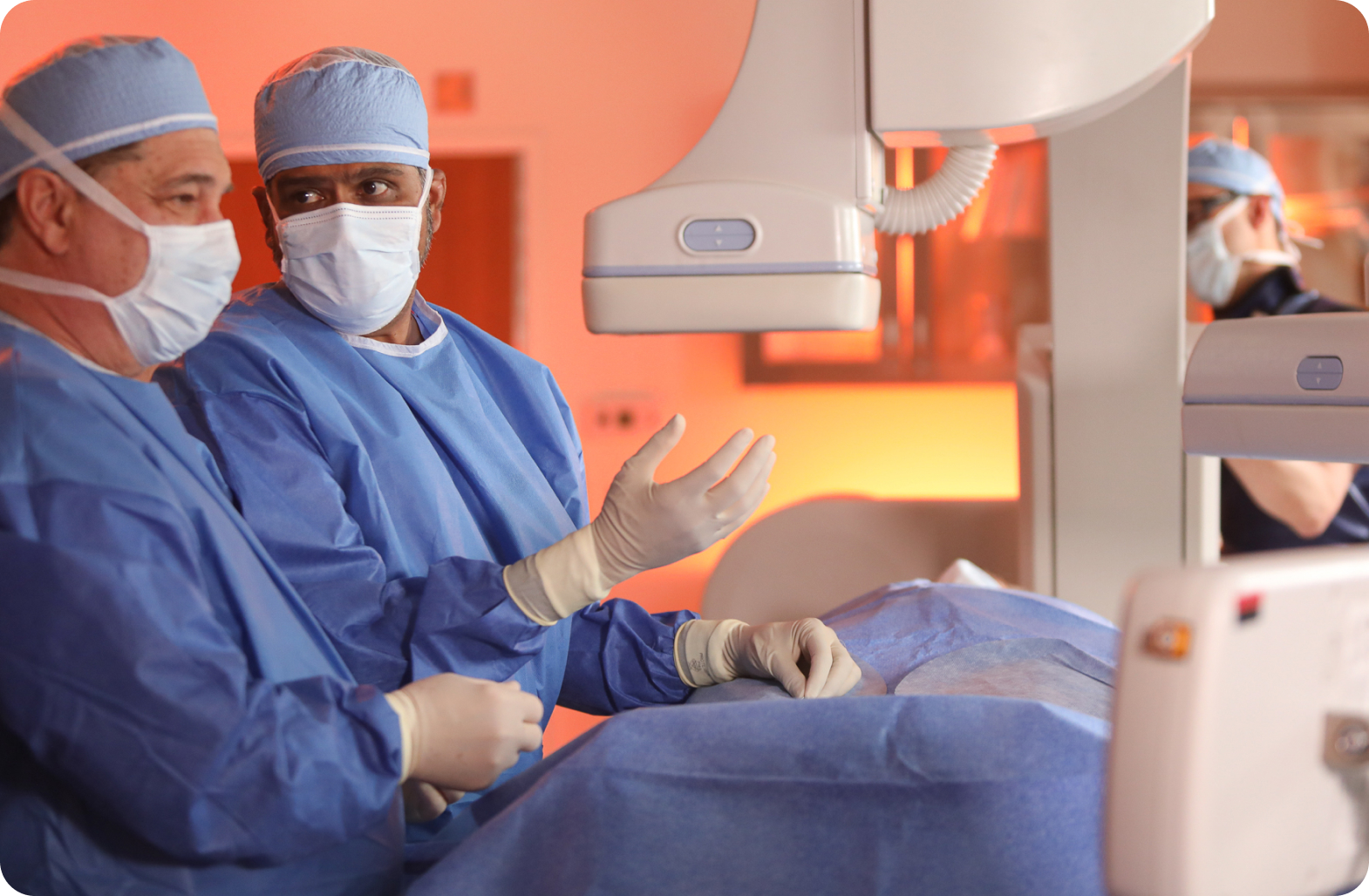
During the Procedure
Depending on your surgery, you may receive local anesthesia (numbing one area), sedation (to help you relax or lightly sleep) or general anesthesia (fully asleep). Your comfort and safety are monitored the entire time by trained professionals.
Recovery at the Surgery Center
After surgery, you’ll move to a recovery area where nurses will:
- Monitor your breathing, heart rate and blood pressure
- Help manage discomfort
- Offer fluids or light snacks when appropriate
You may feel sleepy, groggy, mildly nauseated or sore — this is common and usually temporary.
Before you leave, your care team will review pain control instructions, activity restrictions, wound care guidance, follow-up appointments and warning signs to watch for, and include written instructions to take home.
Caring for Yourself at Home
The first 24–48 hours are important for healing.
Rest and Take It Easy
Your body needs energy to recover. Plan to rest frequently, avoid strenuous activity and follow your surgeon’s lifting or movement restrictions. Even if you feel good, don’t overdo it too soon.
Managing Discomfort
Take medications exactly as prescribed. Helpful tips may include:
- Using ice packs (if recommended)
- Keeping the surgical area elevated
- Staying hydrated
Call your provider if pain is not controlled with prescribed medication.
Watch for Signs That Need Attention
Contact your surgeon or seek care if you notice:
- Fever over 101°F
- Increasing redness, swelling or drainage from the incision
- Severe or worsening pain
- Persistent nausea or vomiting
- Shortness of breath or chest pain (call 911)
It’s always better to call with questions — we are here to support you.
Eating, Drinking and Activity
Follow your specific discharge instructions, but general guidelines often include:
- Start with light foods and gradually return to your normal diet
- Drink plenty of fluids
- Avoid alcohol for at least 24 hours
- Do not drive, sign legal documents or make important decisions for 24 hours after anesthesia.
Your surgeon will let you know when you can return to work, exercise and regular routines.

Your Follow-Up Care
Healing doesn’t stop when you leave the surgery center. Follow-up appointments allow your provider to check your incision or procedure site, monitor your recovery, answer questions and adjust medications if needed.
If anything concerns you before your follow-up visit, don’t wait — call.

We’re Here for You
Outpatient surgery at a freestanding surgery center is designed to be efficient, safe and patient-focused. Our teams specialize in same-day procedures and are committed to providing expert care in a comfortable environment. If you have questions before or after your surgery, please contact your surgeon’s office or the surgery center directly. No question is too small when it comes to your health and recovery.