

What is Epilepsy?
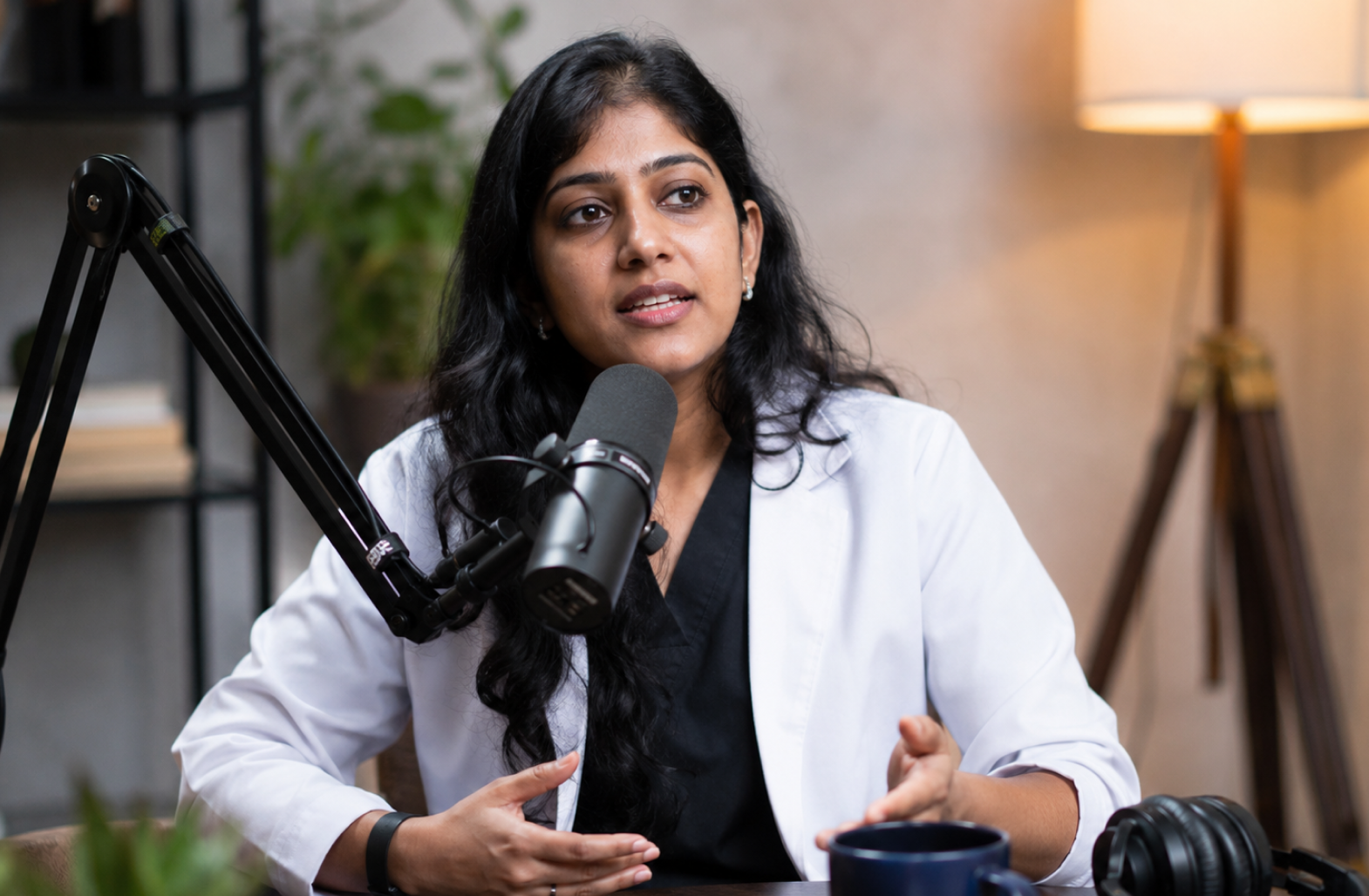
Epilepsy is a neurological condition defined by recurrent, unprovoked seizures. Nearly 1 in 100 people live with epilepsy, and the condition affects not only patients but also families and caregivers.
Seizures can occur for many reasons, including brain injury, birth differences, tumors, trauma, genetic conditions or unknown causes. Epilepsy can impact independence, safety and emotional well-being. With the right treatment plan, many people can reduce or even eliminate seizures and improve quality of life.
Getting care from one of our providers? The MyChart patient portal provides you with easy access to stay informed on all your care.
The Care We Provide
-
Individualized medication management
-
Comprehensive evaluation for epilepsy surgery
-
Minimally invasive surgical options, including stereoelectroencephalography and laser-guided ablation
-
Device therapies, such as responsive neurostimulation (RNS) and vagus nerve stimulation (VNS)
-
Specialized dietary therapy, including ketogenic and modified Atkins diets
-
Neuropsychological evaluations
-
Enrollment in clinical research and clinical trials, including cannabidiol for selected treatment-resistant epilepsy syndromes


Each care plan is developed by a multidisciplinary team of adult and pediatric epileptologists, neurosurgeons, nurses and advanced practice providers, neuropsychologists, imaging specialists, technologists and dietitians.
How Do You Treat Difficult-to-Control Seizures?
About 35 percent of people with epilepsy have drug-resistant or refractory epilepsy, meaning seizures continue despite appropriate trials of anti-seizure medications.
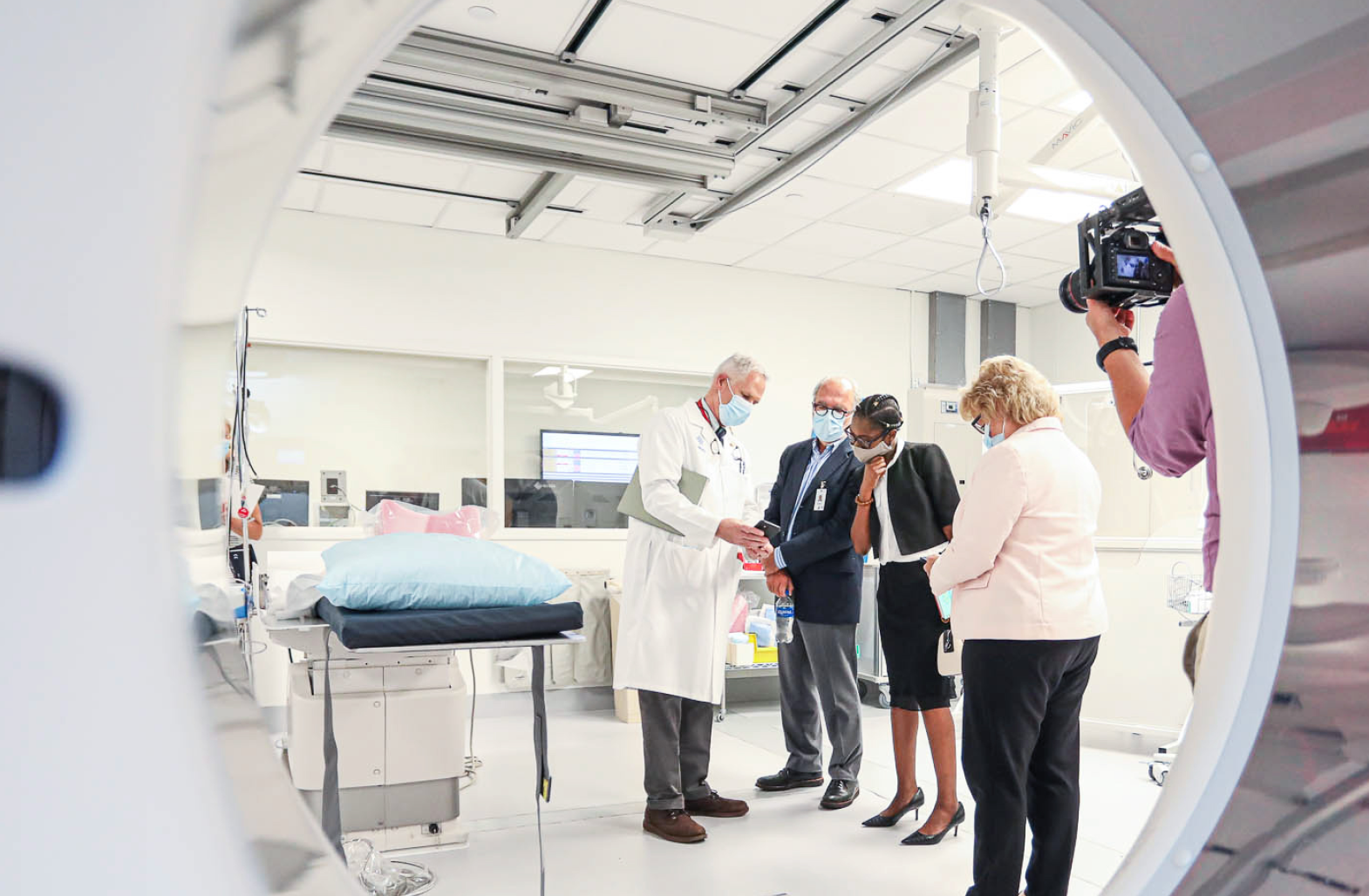
Advanced evaluation at a comprehensive epilepsy center is essential for these patients. Early referral can provide additional treatment options, including surgical therapies, device-based treatments and specialized diets.
The Care We Provide
After careful evaluation, your care team develops a personalized treatment plan to achieve the best possible seizure control.
Medical Treatment
Many patients benefit from carefully selected anti-seizure medications once the seizure type is clearly defined. Some patients may also benefit from specialized diets or participation in clinical trials. Kaleida Health participates in research studies evaluating new therapies, including cannabidiol for treatment-resistant epilepsy syndromes.
Surgical Treatment
When medications do not control seizures, surgery may be considered. Surgical options include: Temporal lobectomy or lesionectomy. Two-stage epilepsy surgery with invasive monitoring, such as stereoelectroencephalography. Laser-guided ablation therapy for targeted treatment Responsive neurostimulation. Vagus nerve stimulation. Each patient undergoes an extensive evaluation to determine whether surgery is appropriate and safe.
Specialized Diets
Dietary therapy may reduce seizures in selected patients. Options include the ketogenic diet, modified Atkins diet and low glycemic index treatment. A specially trained dietitian monitors each plan. Thorough assessment and classification of seizure type in children and adults to guide accurate treatment.
Additional Evaluation
Thorough assessment and classification of seizure type in children and adults guide accurate treatment.
What to Expect from Your Care
Evaluation and Diagnosis
Your care team reviews your history, monitors seizures and uses imaging and neuropsychological testing to understand your condition.
A Personalized Treatment Plan
Care is tailored to your age, health needs and daily life. Options may include medications, diet therapy, device-based therapies or surgical evaluation.
Ongoing Management and Support
Epilepsy often requires long-term care. Your team provides follow-up, medication adjustments and education for patients and families.
Regional Epilepsy Monitoring Center
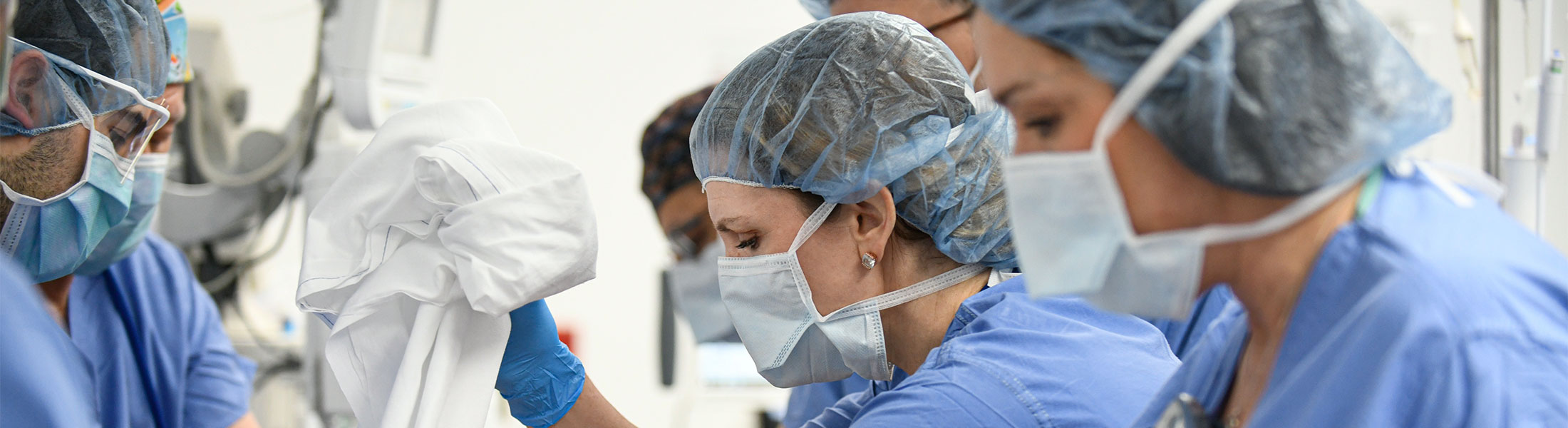
The 12-bed, state-of-the-art, James H. Cummings Foundation Epilepsy Monitoring Center is located in Golisano Children's Hospital of Buffalo and serves both children and adults. It is the only center of its kind in Western New York.
The monitoring center provides:
- Continuous 24-hour video EEG recording
- Real-time analysis of brain activity and seizure events
- Advanced imaging support, including MRI, PET and ictal SPECT
- Comfortable rooms designed for patients and caregivers
This specialized monitoring enables our team to accurately diagnose seizure type, identify the seizure focus and evaluate candidacy for advanced therapies.
Comprehensive Epilepsy Program
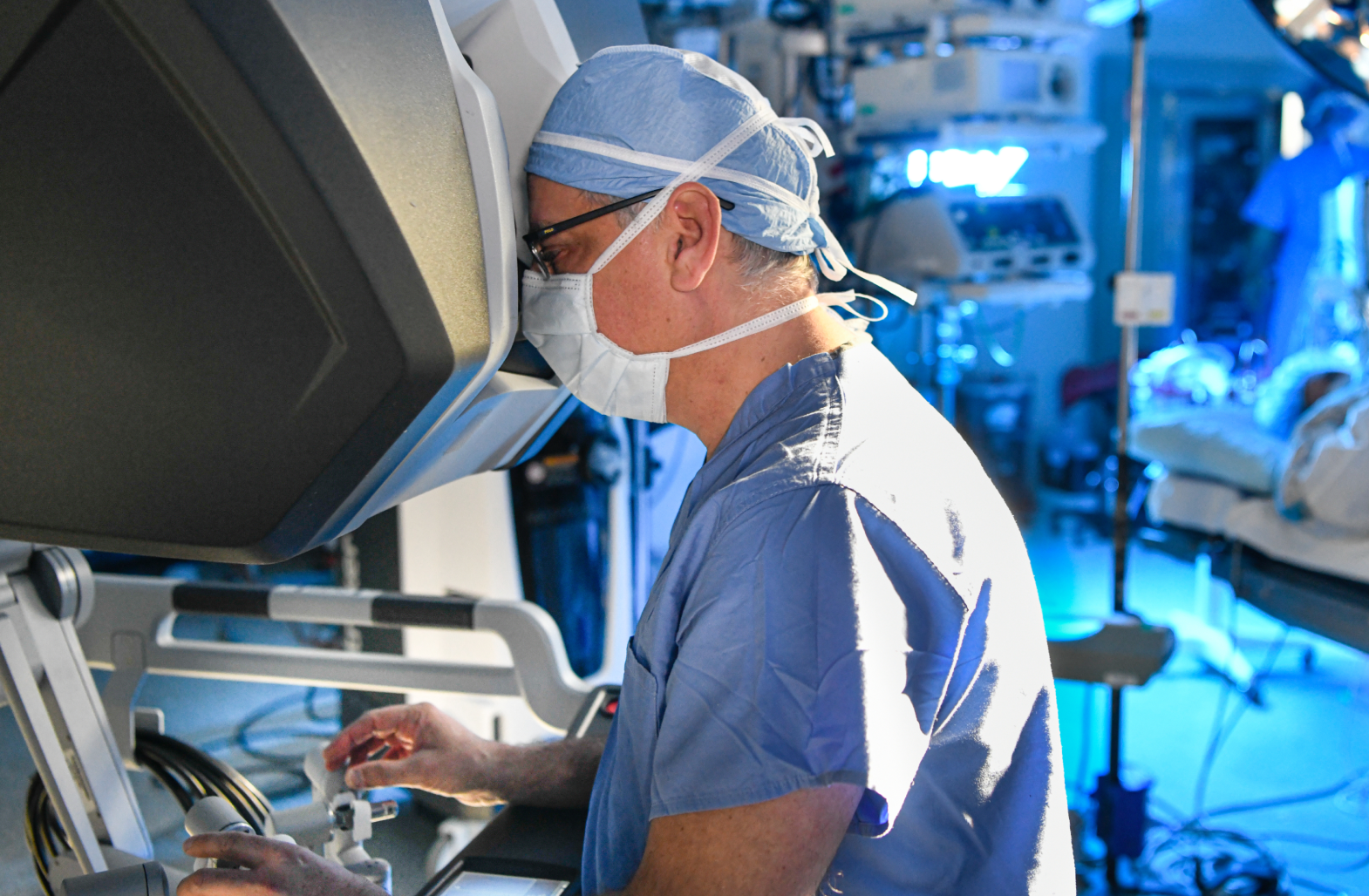
Kaleida Health’s comprehensive epilepsy program provides advanced evaluation and treatment for children and adults living with seizures, including complex and drug-resistant epilepsy.
Our program has been recognized as a Level 4 epilepsy center by the National Association of Epilepsy Centers since 2012. Level 4 designation reflects the highest level of epilepsy care, including complex neurodiagnostic monitoring, comprehensive medical management and a full range of surgical and device-based treatments.
Why Choose Kaleida Health
-
Level 4 epilepsy center designation
The highest standards for complex epilepsy care in Western New York, recognized by the National Association of Epilepsy Centers since 2012.
-
Advanced surgical and device-based therapies
SEEG, laser-guided ablation, RNS, VNS and more.
-
Multidisciplinary care
Coordinated evaluation and case review by specialists across disciplines.
-
Pediatric and adult epilepsy experts
Specialized care for all ages.
-
Access to research and emerging therapies
Clinical trials, cannabidiol studies and innovative treatment options.

Meet Your Care Team
Epileptologists
Arie L. Weinstock, MD, Director, Comprehensive Epilepsy Program; Ping Li, MD, Director, Adult Epilepsy Program; Susan L. Kerr, MD; Sarah G. Finnegan, MD, PhD; Robert L. Glover, MD; Osman Farooq, MD.
Epilepsy Neurosurgeons
Renee Reynolds, MD; Jonathan Riley, MD, Functional Neurosurgery and Adult Epilepsy Surgery.
Neuroimaging
David Hojnacki, MD, MRI; Robert Miletich, MD, PhD, PET and Ictal SPECT.
Neuropsychology
Joy Parrish, PhD.
Specialized Diets
Cynthia Gillogly, RD.
Advanced Practice and Research
Susan Rydzyk, PA; Lisa Beckwith, FNP; Natasha Kleiman, FNP; Deanna Hamilton, Research Study Coordinator.
Research
Deanna Hamilton – Research Study Coordinator
Where Can You Receive Care?
Adult Epilepsy Care
UBMD Neurology, Conventus Building, 1001 Main Street, 4th Floor, Buffalo, NY 14203, (716) 829-5050. Also 5851 Main Street, Williamsville, NY 14221, (716) 932-6080.
Pediatric Epilepsy Care
Golisano Children’s Hospital of Buffalo Outpatient Center, Conventus Building, 3rd Floor, 1001 Main Street, Buffalo, NY 14203, (716) 323-6150, Fax (716) 323-6674. Also UBMD Neurology, 5851 Main Street, Williamsville, NY 14221, (716) 932-6080 ext. 100.
Outpatient Surgical Services
Mildred Milliman Outpatient Surgery Center, 500 Main Street, Olean, NY 14760, (716) 375-6993 appointments, Fax (716) 701-1535.
Inpatient Monitoring and Hospital Care
Buffalo General Medical Center, 100 High Street, Buffalo, NY 14203. Golisano Children’s Hospital of Buffalo, 818 Ellicott Street, Buffalo, NY 14203.
Take the Next Step in Your Care
Frequently Asked Questions
If you experience recurring seizures, seizures that last longer than a few minutes or seizures that interfere with daily life, an epilepsy specialist can help determine the cause and recommend the right treatment. Early referral is especially important for drug-resistant seizures.
Not always. Many patients achieve seizure control through medications, specialized diets or device-based therapies. Surgery is considered when seizures are difficult to control or the seizure focus is identified and safely accessible.
Options may include temporal lobectomy, lesionectomy, stereoelectroencephalography (SEEG) monitoring, laser-guided ablation, responsive neurostimulation (RNS) or vagus nerve stimulation (VNS). Your care team will evaluate which, if any, are appropriate.
Dietary therapy can reduce seizures for some patients. Common options include the ketogenic diet, modified Atkins diet and low glycemic index treatment. Each diet is carefully planned and monitored by a specialized dietitian.
Drug-resistant epilepsy occurs when seizures continue despite trying at least three different anti-seizure medications. Patients with refractory epilepsy may benefit from advanced evaluation, including surgical options, device therapies or clinical trials.
Yes. Kaleida Health’s Comprehensive Epilepsy Program treats both pediatric and adult patients, offering specialized care tailored to each age group.
Yes. Eligible patients may participate in clinical studies, including trials for new anti-seizure medications and cannabidiol (CBD) for certain treatment-resistant epilepsy syndromes.
Appointments can be requested online, by phone or through your primary care provider. The care team will guide you through intake, insurance and preparation for your first visit.

News & Updates
- Epilepsy Center Recognized as Level 4 Center by NAEC
- Inauguration of State-of-the-Art 12-Bed Epilepsy Monitoring Unit at Golisano Children's Hospital of Buffalo
- Expansion of Epilepsy Surgery Program
- SEEG (Stereotactic EEG)
- Laser Ablation
- NeuroPace (RNS)
- $1 Million Gift Will Establish the James H. Cummings Foundation Epilepsy Monitoring Center
- Medical Marijuana