
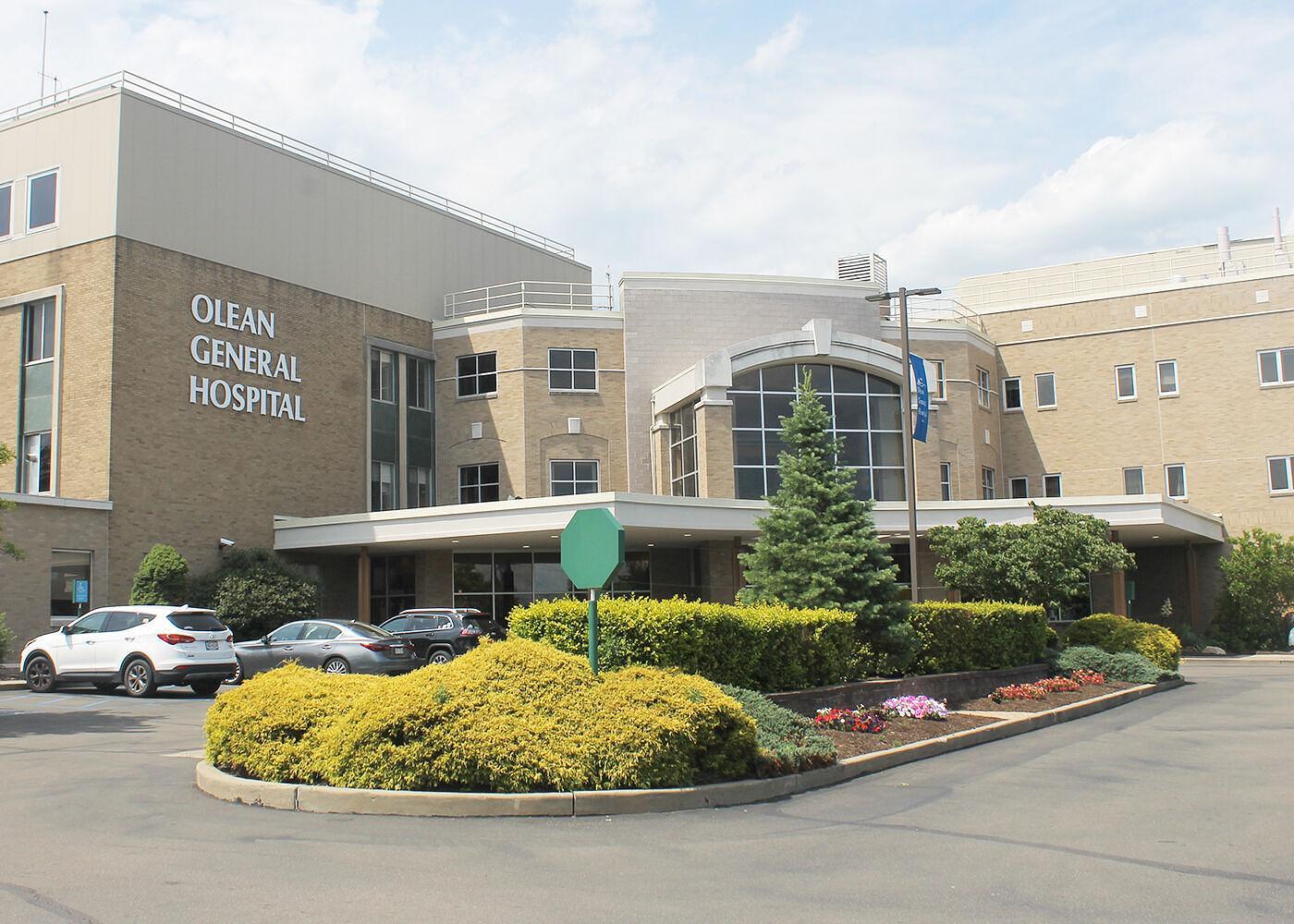
Olean General Hospital will share in millions in Federal Emergency Management Agency grant funds coming to Kaleida Health hospitals for pandemic response efforts in Western New York.
New York senators Charles Schumer and Kirsten Gillibrand announced $65.4 million in FEMA funds were being allocated to Kaleida for its pandemic response efforts in Western New York. That includes about $13 million for OGH.
Kaleida Health has five hospitals: Olean General, Buffalo General Medical Center/Gates Vascular Institute, Millard Fillmore Suburban Hospital and Oishei Children’s Hospital in Buffalo and Bradford (Pa.) Regional Medical Center.
Olean General, along with BRMC, was an important healthcare resource for the rural Western New York and northern Pennsylvania region during the pandemic, Don Boyd, president and CEO of Kaleida, said. BRMC was not allocated any FEMA funds in this disbursement because the allocation was through New York state.
“This particular FEMA announcement relates to OGH only and not BRMC as these reimbursement dollars flow through New York state after being obligated by the federal government,” Boyd said. “To that end, OGH’s impact was approximately $13 million related to this COVID-19 claim.”
Boyd said Kaleida intends to continue to make improvements with the funds, which will positively impact all of its hospitals, which are still recovering financially from lost revenues that resulted from the pandemic.
“This overall FEMA reimbursement will go a long way toward reinvesting in our people, infrastructure and technology plus aid in the continued financial turnaround of Kaleida Health as well as our Southern Tier facilities,” he explained.
He said among the strategies for improvements is to further decrease the use of agency nurses — who generally have been paid at a higher hourly rate than local facility nurses, thus increasing costs for hospitals — and replace them with “local, community-oriented nurses and staff.”
Schumer and Gillibrand said the federal investment, which comes from the provisions they championed in the American Rescue Plan, will help the hospitals recover costs associated with increasing staff, overtime labor and emergency protective measures during the COVID-19 pandemic to help maintain healthcare in WNY.
“During the height of the COVID-19 pandemic, heroic frontline workers at Kaleida Health worked around the clock, ramping up staffing so WNY patients could continue to receive lifesaving care, incurring major costs while losing revenue,” Schumer said.
In what he called his first major act as majority leader in the Senate, Schumer said he fought to pass the American Rescue Plan (ARA), which created reimbursements for expenses during the public health emergency.
“This major federal boost to help reimburse costs associated with hiring more nurses, staff and purchasing personal protective equipment to provide around the clock care will ensure the hospitals have the funding they need, and deserve, to support their incredible medical staff, care for patients, and continue to provide lifesaving care to WNY communities,” Schumer said.
Gillibrand added, “Throughout the COVID-19 pandemic, the staff at Kaleida Health stepped up to provide lifesaving care for countless patients across Western New York. These federal dollars will reimburse Kaleida Health for costs associated with the emergency protective measures taken during the pandemic to protect the health and safety of Western New Yorkers.”
Kaleida Health’s awards include more than $37 million to be awarded at 90% federal cost share and more than $28.3 million at 100% federal cost share.
The Kaleida system also provides long-term care at High-Pointe on Michigan and DeGraff Rehabilitation and Skilled Nursing Facility; and operates DeGraff Medical Park, Visiting Nursing Association of WNY, a major laboratory division, more than 80 clinics and healthcare centers, and multiple ambulatory surgery sites.
The latest funding announcement to the benefit of OGH follows a June announcement that the hospital will receive $5 million to help serve patients with psychiatric emergencies. Boyd said the development is considered another component of the recovery and viability of Olean General moving forward from the pandemic.
The funding through the state was awarded to nine hospitals to develop new comprehensive psychiatric emergency programs. Once established, the programs will increase the statewide total to 31 and provide needed capacity to serve thousands of additional individuals who experience a behavioral health crisis. The programs must be open around the clock and must provide triage and referral services, full emergency visit services, extended observation bed services and crisis outreach services.
The sites will serve as entry points to the mental health system, and can admit individuals for up to 72 hours if necessary. Access will be available by walk-ins, emergency medical or police transport, or through referrals from providers.
Olean General currently houses a 14-bed inpatient unit for adult mental health treatment.