
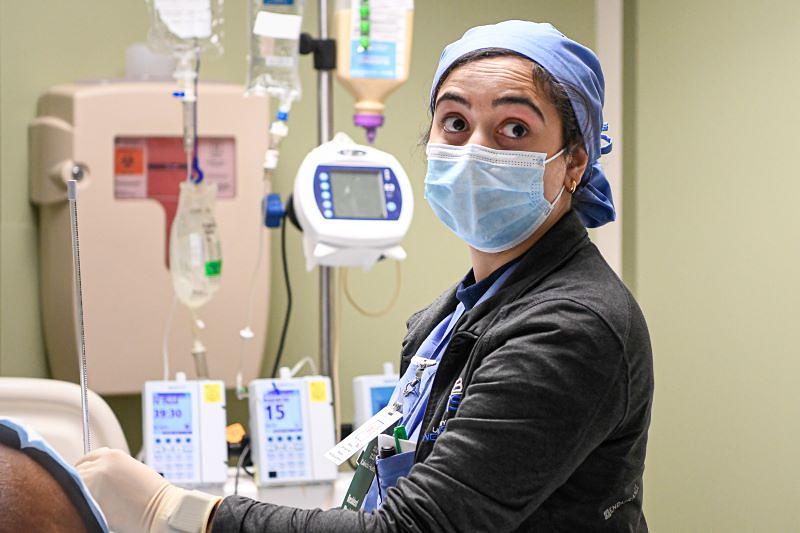
Critical care medicine is the practice of administering immediate and continuous treatment to patients suffering from a life-threatening condition.
Care and compassion when you need it most
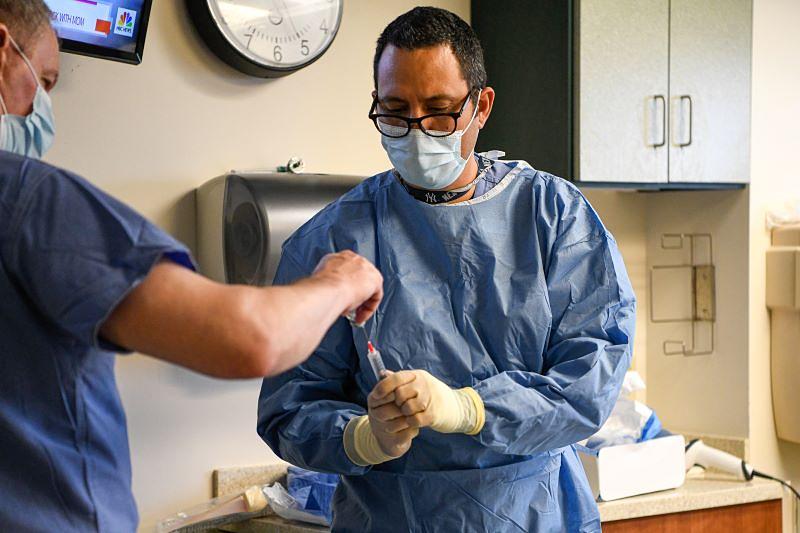
The patients treated in intensive care units are some of the most vulnerable patients in a hospital, with serious, complex and acute illnesses and injuries that need close monitoring and expert treatment. Critical conditions range from heart attack and stroke to severe respiratory insufficiency, recovery from major surgery, burns, gunshot wounds, and other severe injuries, bleeding or infections. These conditions can lead to serious systemic complications, such as respiratory distress and organ failure.
Critical care medicine usually is administered in a separate area of the hospital, and is practiced by highly skilled and specialized healthcare professionals, such as: board-certified physicians in intensive care medicine, nurse practitioners with RN and appropriate NP licensure, RNs, medical assistants and unit secretaries.
Critical care nurses must have highly technical skills due to the complexities of their patients’ illnesses and injuries. Registered nurses may require additional training and certification such as annual CPR competency validation, Advanced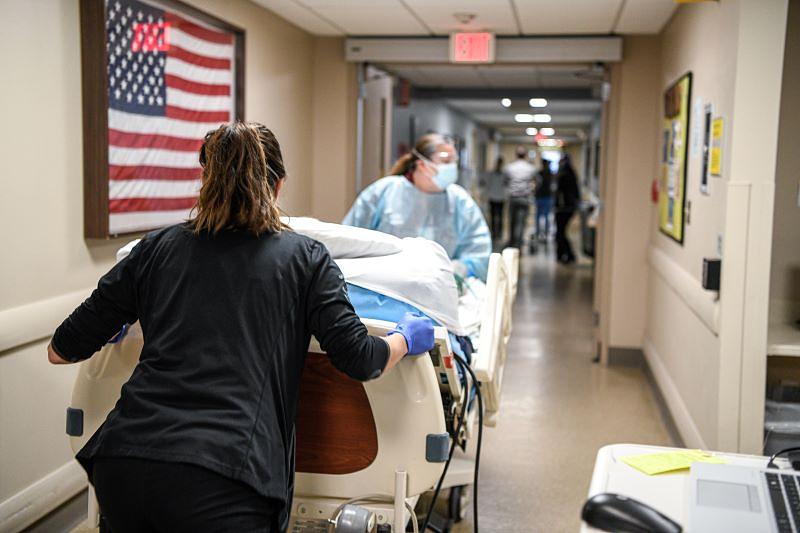 Cardiovascular Life Support certification, annual moderate sedation competency validation and nursing annual review training. Intensivists coordinate the administrative environment of the intensive care unit (ICU) by setting policies, developing protocols and facilitating communication among specialists, patients and their families.
Please join us in thanking our critical care teams for rising up to the life-saving challenges they face on a daily basis.
Kaleida Health ICUs and scope of service (as of 2022):
BGMC Medical ICU
Provide care to hospitalized patients who require monitoring and interventions requiring an enhanced skill set. Specialized services include: medications requiring frequent titration, invasive and noninvasive mechanical ventilator support, CRRT (Continuous Renal Replacement Therapy) and hypothermia therapy. Average daily census is 30. Department capacity is 34 beds.
BGMC Surgical ICU
Provide post-op surgical care to hospitalized patients who require monitoring and interventions that require an enhanced skill set. Specialized services include: incision care, medications requiring frequent titration, ventilator support, CRRT and hypothermia therapy. The Surgical ICU also cares for critical care cardiac patients who require continuing monitoring, both invasive and noninvasive. Average daily census is 12. Department capacity is 14 beds.
BGMC Neurosciences ICU
Provides holistic care to patients requiring an intensive level of care and monitoring to promote health and recovery, including advanced neurological, cardiac and hemodynamic monitoring supported by a staff of clinicians specially trained in the neurosciences. Specialized services include: assisting in placement of ICP monitors, subdural drains and continuous monitoring of EVD drains and irrigation systems. Medication titration, ventilator support, monitoring of the neuro surgical patient s/p cutting edge endovascular procedures and the acute care and monitoring of patients who have suffered a stroke. Average daily census is 18 patients.
BGMC GVI Cardiovascular ICU
Provides care to vascular patients, medical/cardiac patients and post-op surgical open heart care to hospitalized patients who require monitoring and interventions requiring an enhanced skill set. Specialized services include: incision care, medications requiring frequent titration, ventilator support, CRRT, hypothermia therapy and Impella support. 16-bed capacity.
OCH ICU
Equipped and designed to provide the highest level of treatment possible ranging from close monitoring to advanced life support. State-of-the-art physiologic monitoring and leading-edge treatment modalities include high frequency ventilation and non-invasive ventilation, inhaled nitric oxide therapy, ECMO, Pheresis Therapy procedures, CRRT and dialysis. Average daily census is 12.5; 20-bed capacity.
OCH Neonatal Intensive Care
Western New York's only Regional Level IV Neonatal Intensive Care Unit providing specialized neonatal and pediatric subspeciality care to infants born prematurely or with other serious health problems.
MFSH Nursing ICU
A 20-bed unit providing medical and surgical nursing care to patients with changing mental or physical status or life-threatening conditions that require continuous assessment, immediate intervention, prompt treatment and reassessment. An individualized plan of care is implemented upon admission and updated throughout the patient’s stay. A multidisciplinary team rounds on every patient daily to assess the patient’s clinical status and promote the detection of the earliest signs of complications.
MFSH Neonatal Intensive Care
Level II Neonatal Intensive Care Unit providing specialized neonatal care to infants born prematurely or with other serious health problems. Average daily census is 4.
Photos of ICUs at Buffalo General Medical Center by Joe Cascio (2022).