
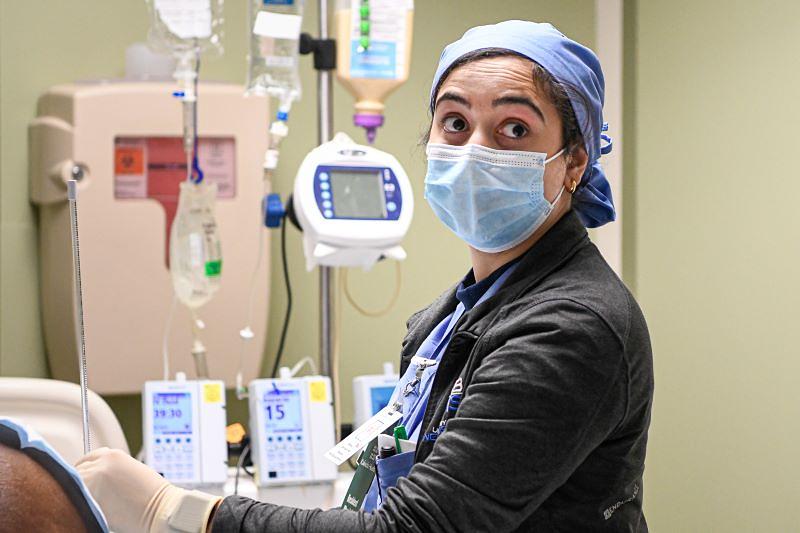
Care and compassion when you need it most
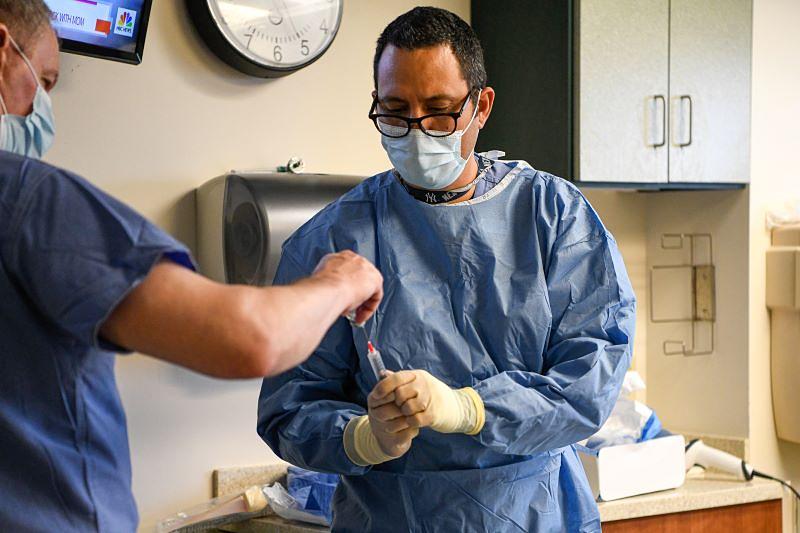
The patients treated in intensive care units are some of the most vulnerable patients in a hospital, with serious, complex and acute illnesses and injuries that need close monitoring and expert treatment. Critical conditions range from heart attack and stroke to severe respiratory insufficiency, recovery from major surgery, burns, gunshot wounds, and other severe injuries, bleeding or infections. These conditions can lead to serious systemic complications, such as respiratory distress and organ failure.
Critical care medicine usually is administered in a separate area of the hospital, and is practiced by highly skilled and specialized healthcare professionals, such as: board-certified physicians in intensive care medicine, nurse practitioners with RN and appropriate NP licensure, RNs, medical assistants and unit secretaries.
Critical care nurses must have highly technical skills due to the complexities of their patients’ illnesses and injuries. Registered nurses may require additional training and certification such as annual CPR competency validation, Advanced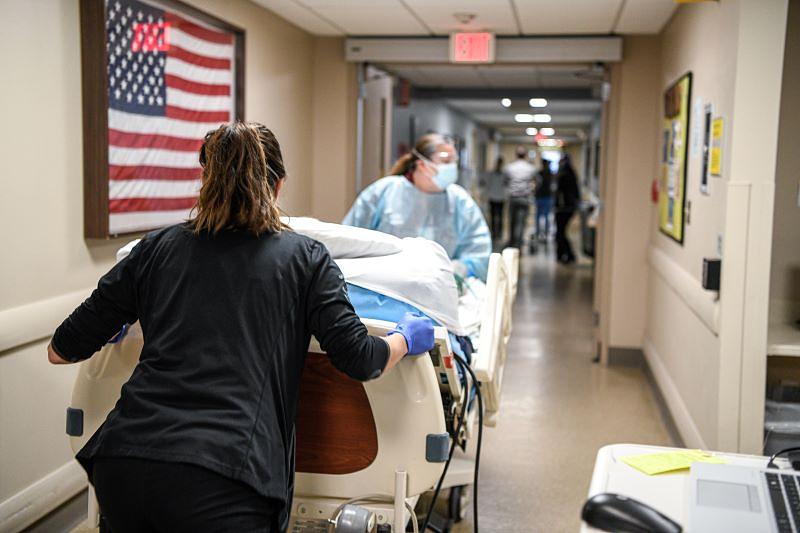 Cardiovascular Life Support certification, annual moderate sedation competency validation and nursing annual review training. Intensivists coordinate the administrative environment of the intensive care unit (ICU) by setting policies, developing protocols and facilitating communication among specialists, patients and their families.
Please join us in thanking our critical care teams for rising up to the life-saving challenges they face on a daily basis.