
Dec 27, 2023
It’s a mention in a newscast, a headline in a newspaper, an entry on a prayer list, and then, perhaps, forgotten. Except by the sufferer and his family.
At the beginning of 2023, U.S. Sen. Bob Casey, D-Pa., announced he had prostate cancer. A check-in with his staff just before Christmas had positive news. “I am happy to say Sen. Casey is doing well,” said spokeswoman Natalie Adams.
In early December, U.S. Rep. Glenn Thompson, R-Pa., announced he was diagnosed with prostate cancer, too. He’s said he’s feeling well, and is tackling the situation head on.
Just how prevalent is prostate cancer?
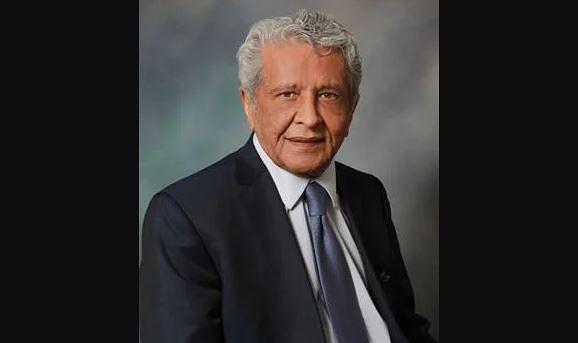
Dr. Hasan Rizvi, oncologist / hematologist, UAHS and Roswell Park Cancer Institute physician, answered some questions on the topic.
“Prostate cancer is very common and 1.6 million men worldwide get diagnosed with prostate cancer, annually,” he said. “In the United States, 11% of men will get prostate cancer and the risk of developing it increases with age. Around 366,000 deaths worldwide are attributed to prostate cancer.”
As with several forms of the insidious disease, there are no obvious signs that say something is wrong.
Rizvi explained, “There are no warning signs of prostate cancer, but it’s important to understand the risk factors for developing cancer. It’s encouraged to get screened early to avoid the cancer developing into metastatic prostate cancer.”
There are screenings, including a blood test for a prostate specific antigen.
“The earlier it is caught, the better the chances of survival,” the doctor said. “If caught early, prostate cancer has a 100% survival rate but if not detected early and the cancer spreads, the five-year survival rate drops to 31%.”
Are there risk factors, or preventive measures men should take?
“It’s always recommended to live a healthy lifestyle such as a healthy diet and physical activity,” Rizvi said. However, he added, “Studies have shown that there are two genetic factors that play a role in the occurrences of an individual developing prostate cancer. One is that if a female in the individual’s family had ovarian or breast cancer at an early age, then the individual could develop prostate cancer.
“They should get tested for the BRCA gene as early as the age of 40 to see if their risk is higher for developing prostate cancer,” he explained. “Another factor which is at greater risk of developing prostate cancer if they been identified to have Lynch syndrome.”
Lynch syndrome is an inherited condition that is a genetic predisposition to different cancer types, passed from parents to children.
As for treatment, Rizvi said, “The treatment of prostate cancer is different for everyone and should be a discussion with the individual and their physician as to what route to take as well as evaluate what stage the cancer is. Some treatments include surgery, radiation medicine, hormone therapy or chemotherapy.”