
August 21, 2023
Sixty years ago, on Tuesday, Sept. 3, 1963, it was “Opening Day” at the University of Pittsburgh at Bradford, when the initial class of new students first began their studies at the college. With strong community support along with the financial backing of many, a small group of concerned Bradford area citizens successfully petitioned the University of Pittsburgh to create a two-year regional college that would provide educational opportunities to young men and women from Bradford and the surrounding region.
That dream finally became reality.
Little could this group of men and women, to whom we owe so much, know at the time how this educational seed they planted would, within just over half a century, become the comprehensive institution of higher learning it is today.
The campus in 1963 was not as we know it now. Instead, the single academic building was the Hamsher House, now gone, but which had once served as a residence hall for the School of Nursing at Bradford Hospital. The former Emery Hardware (now the Main Street Mercantile) would eventually become the home for engineering classes, and the former Emery Hotel at the end of Main Street would soon become the first student residence hall. Many of the students from out of town boarded with local families out of necessity in those early years.
While numerous milestones contributed to Pitt-Bradford’s growth, there are two that stand out:
• Acquiring significant acreage in the West Branch area, which within 50 years (1973 to 2023) would become the magnificent campus that is seen today. While other buildings will undoubtedly be constructed in the future, the campus is now virtually complete with outstanding academic facilities (Fisher, Swarts, Blaisdell and Duke Halls), a full-service library, a comprehensive student Commons building that supports dining, student activities and services, well-equipped indoor and outdoor athletic and recreation facilities, a lovely and complete fine arts building and theater, and a chapel that supports among other things the spiritual dimension of student development.
Indeed, the campus is a showpiece for the entire region, and its development over such a brief period of time is remarkable.
• Becoming a four-year college of the University of Pittsburgh in 1979, with the ability to award its own baccalaureate degrees. Today, Pitt-Bradford offers a broad array of 4-year degree programs in the arts, sciences, and career-oriented programs, meaning that students from this area and beyond have opportunities to receive a high quality four-year university education, with the result that many choose to remain in the region following graduation.
There is another major benefit to this region that today may easily be overlooked, but which is significant and critical to our quality of life, and to the competency of leadership in organizations, both in the profit and non-profit sectors. Just think how Pitt-Bradford has educated so many men and women who have become leaders in their fields in Bradford and beyond. The list below names just a few in our region, all of whom have either earned bachelors’ degrees or attended Pitt-Bradford for a significant portion of their educations.
• Richard Esch, president, University of Pittsburgh at Bradford
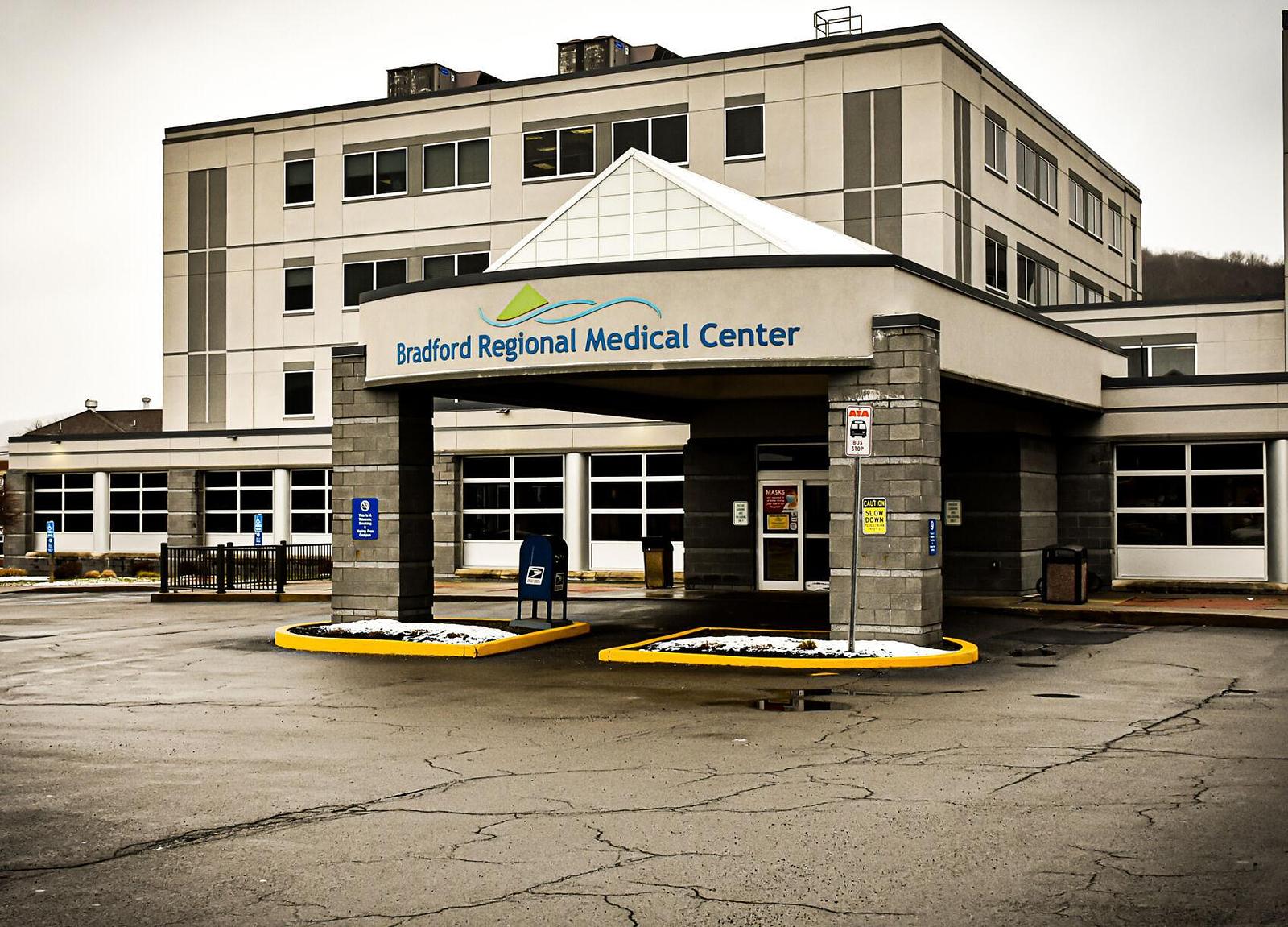
• Dr. Jill Owens, president and CEO, Upper Allegheny Health System (Bradford Regional Medical Center and Olean, N.Y. General Hospital)
• David Monroe, chief administrative officer, Bradford Regional Medical Center
• Guy Signor, president and CEO, Journey Health System/Beacon Light
• State Rep. Martin Causer of the 67th Legislative District, serving all of Cameron, McKean and Potter counties
• The Honorable John Pavlock, president judge, McKean County Court of Common Pleas
• The Honorable Stacy Wallace, judge, Commonwealth Court of Pennsylvania
• Stephanie Vettenburg-Shaffer, district attorney, McKean County
• Carol Duffy, McKean County commissioner
Cliff Lane, McKean County commissioner
• Chris Napoleon, president/chief engineer, Napoleon Engineering Services, Olean
• Donny Kemick, founder, president and CEO, Protocol 80, Inc.
• Curt Wallace, founder and lead engineer, C.J. Wallace Engineering, LLC
Timothy Fannin, chair of Northwest Bank Board of Directors
• Douglas Kuntz, president and CEO, Pennsylvania General Energy, Warren
• Grant Duke, co-owner, Zippo Manufacturing Company
• Ron Orris, executive director, Philo & Sarah Blaisdell Foundation
• Heidi Scrivo, executive director, Bradford Area Chamber of Commerce
• William Chapman, financial advisor and certified financial planner, Ameriprise
• Sarah Eddy Furlong, managing editor, The Bradford Era
Paul Nunn, manager, Bradford Club
• Michael Ward, chief, Bradford City Police Department
• Eric Taylor, chief, Bradford City Fire Department
In addition to those named above, it should be noted that there are countless others serving as leaders in business, education, health care, social services, law enforcement, government, science, research and numerous other fields. Their impact here and beyond is significant.
As Pitt-Bradford enters its 61st year of education and service, may all of us keep in mind the impact the university has on our region — not only by providing higher education opportunities where none existed before, but also for the way the college improves the lives of so many with arts programs, cultural events, athletic contests, and of course, in the way it prepares leaders for our region and beyond to meet the challenges of today and in the years to come.
Hail to Pitt-Bradford, and happy 60th birthday as well!
(K. James Evans, Ph.D., served as vice president and dean of student affairs at Pitt-Bradford for 42 years — 1976 to 2018. He resides in Bradford with his wife, Dr. Lisa Fiorentino, Pitt-Bradford Associate Professor Emerita of Nursing.)